2026 Top Lighting Fixture Trends for Modern Interiors and Exteriors?
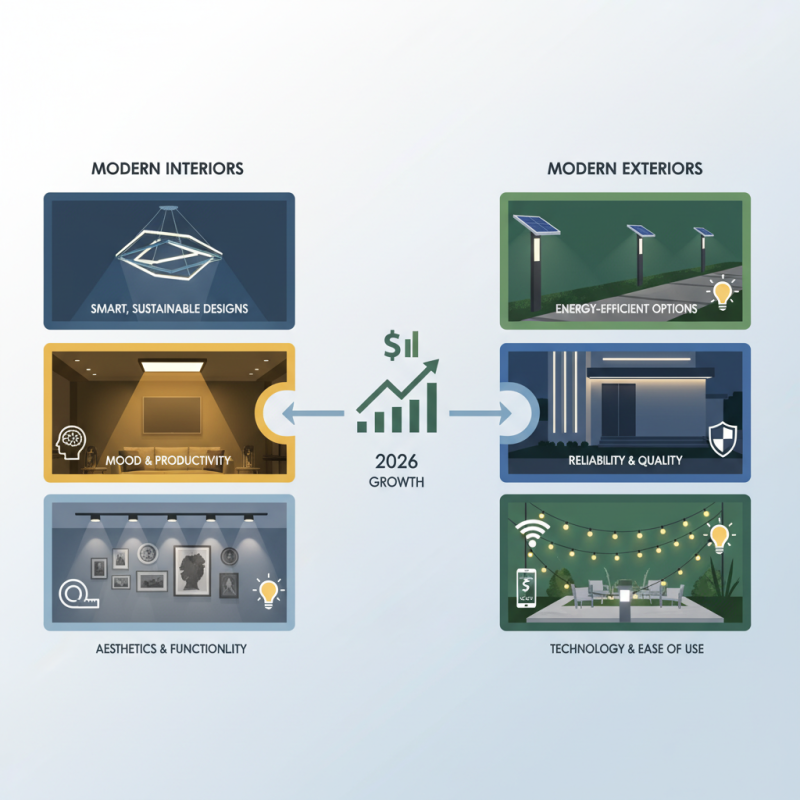
As we look ahead to 2026, the trends in lighting fixtures are paramount for both modern interiors and exteriors. According to the Global Lighting Market Report, the lighting fixtures industry is expected to reach $130 billion by 2026, driven by innovations and consumer preferences for energy-efficient options. This growth reflects a shift towards smarter, more sustainable designs that enhance both aesthetics and functionality.
The use of lighting fixtures is not just about illumination; it's about creating an atmosphere. Recent studies indicate that effective lighting significantly impacts mood and productivity. For instance, well-placed fixtures can make spaces feel larger or cozier, emphasizing their role in design. However, the rush towards trends may overlook timeless elements that ensure reliability and quality. Designers must balance innovation with the need for fixtures that stand the test of time.
As technology integrates into design, the importance of choosing the right lighting fixture becomes clearer. Smart lighting systems are on the rise, but clarity and user-friendliness remain challenges for manufacturers. Industry experts emphasize the need for fixtures that combine style with ease of use. Reflecting on these trends, one must consider how functionality meets evolving consumer needs while maintaining a commitment to aesthetic appeal.
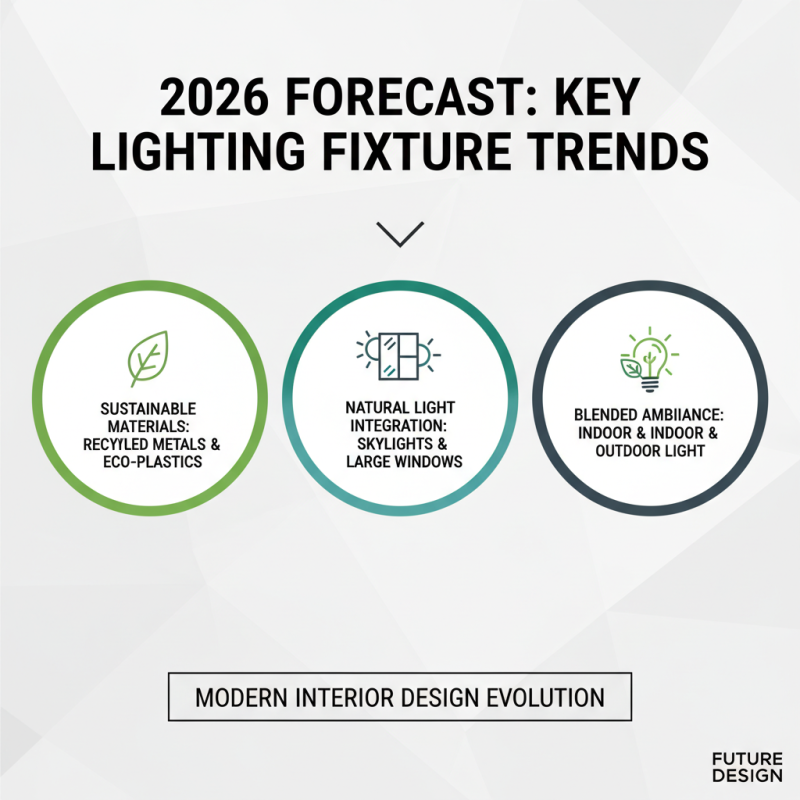
2026 Forecast: Key Lighting Fixture Trends in Modern Interior Design
In 2026, the landscape of lighting fixtures will evolve dramatically. Designers foresee a significant shift towards sustainability. Materials like recycled metals and eco-friendly plastics will dominate. Natural light integration will also receive attention. Skylights and large windows will complement modern fixtures. This blend of inside and outside light will enhance room ambiance.
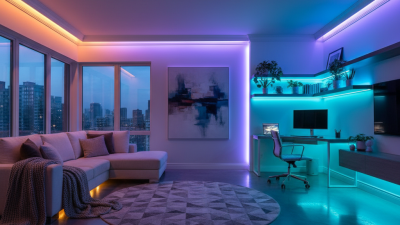
Minimalism continues to shape design trends, but with added warmth. Expect fixtures that balance simplicity with inviting designs. Warm LED tones will replace harsh lighting. Layered lighting concepts will become essential in creating cozy spaces. Ambient, task, and accent lighting will work together to achieve this balance. However, achieving harmony in layering can be tricky.
Smart technology will further influence how we interact with lighting. Fixtures that adapt to our routines and preferences will gain traction. Voice-activated and mobile-controlled systems are becoming mainstream. Despite these advancements, some may find reliance on technology overwhelming. Balancing innovation with simplicity will be key for 2026 lighting design.
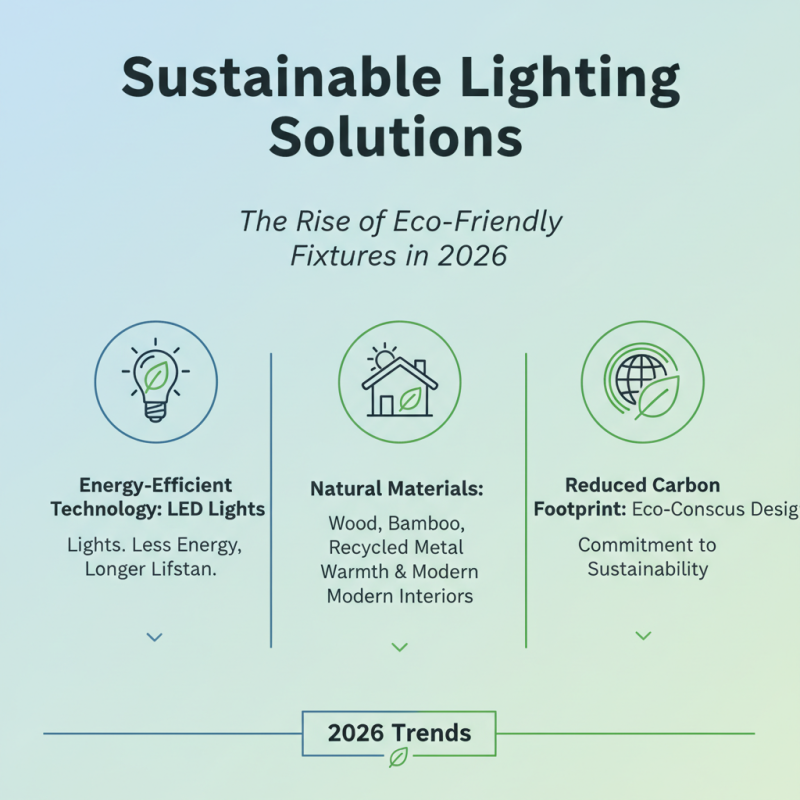
Sustainable Lighting Solutions: The Rise of Eco-Friendly Fixtures in 2026
Sustainable lighting solutions are gaining traction in 2026. Homeowners and designers increasingly focus on eco-friendly fixtures. These fixtures use energy-efficient technology, reducing carbon footprints. They also integrate natural materials, bringing warmth to modern interiors. LED lights, for example, consume less energy and last longer than traditional bulbs. The shift reflects a broader commitment to sustainability in design.
Consider incorporating reclaimed wood or bamboo in your lighting designs. These materials not only look stunning but also promote sustainability. Choose fixtures that utilize recyclable components. This minimizes waste and supports a circular economy. Think about how different light temperatures affect mood. Warmer tones create a cozy atmosphere, ideal for living spaces, while cooler tones are energizing.
However, skepticism remains. Some might question whether eco-friendly fixtures can compete with traditional designs. The truth is that not all sustainable options are visually appealing or functional. It’s essential to balance aesthetics with environmental efficiency. As trends evolve, ongoing reflection on design choices becomes necessary. Prioritize quality and energy-saving features to ensure long-term value and visual harmony.
Smart Lighting Technology: Integration of IoT in Residential and Commercial Spaces
Smart lighting is revolutionizing both residential and commercial spaces. The integration of IoT (Internet of Things) in lighting systems enhances functionality and convenience. According to recent reports, over 50% of homeowners express interest in smart lighting solutions. These systems allow users to control lighting remotely, creating optimal environments for any occasion.
The demand for connected lighting continues to rise. It is projected that the smart lighting market will reach $40 billion by 2026. Users now expect seamless integration with other smart home devices. Features like automated dimming and color-changing capabilities provide customizable atmospheres. However, challenges remain in terms of user privacy and data security.
Despite advancements, there can be complexities in setting up these systems. Some users face steep learning curves. Not all installations are straightforward, leading to frustration. There is still a need for better user education and support in navigating smart technologies. Ultimately, a well-designed smart lighting system can significantly enhance user experiences.
Aesthetic Innovations: The Impact of Design Trends on Lighting Choices
In 2026, lighting designs will reflect an evolution in taste. Modern interiors and exteriors prioritize both functionality and aesthetics. Minimalist styles continue to gain momentum, focusing on clean lines and simplicity. Soft, warm tones are preferred, creating inviting spaces. Statement fixtures, like oversized chandeliers, become art pieces in their own right.
Tips for choosing lighting: Consider the ambiance you want. A bold fixture can draw attention to a room's focal point. Layered lighting is essential, too. Combining ambient, task, and accent lights creates depth and warmth. Don’t hesitate to experiment; sometimes, a seemingly mismatched piece can elevate a space intriguingly.
Design trends also affect technology use. Smart lighting offers flexibility and energy efficiency. Users enjoy control over brightness and color. However, relying solely on technology might undermine the charm of handcrafted pieces. Remember to balance modernity with warmth for a cohesive feel. Embrace imperfections in design; they tell a story and add character.
Energy Efficiency Trends: Statistical Insights on LED and Alternative Lighting
The shift towards energy-efficient lighting continues to gain momentum in modern design. LED technology leads the charge, offering longevity and low energy consumption. Recent statistics reveal that LED installations can reduce energy use by up to 80%. This shift not only diminishes electricity bills but also supports a sustainable future.
When designing spaces, consider layering lighting types. Combining ambient, task, and accent lighting can create a dynamic atmosphere. Don’t overlook the importance of dimmer switches. They allow for adjustable brightness and enhance energy savings, providing flexibility in different settings.
In second place, alternative lighting solutions are becoming popular. Solar-powered fixtures and smart lighting systems are becoming more common. However, the initial costs can be challenging for some. Careful planning is essential to balance upfront expenses with long-term savings. Selecting the right products requires research and often involves trial and error. Strive for choices that align with your lifestyle and values.
2026 Top Lighting Fixture Trends for Modern Interiors and Exteriors
| Trend |
Description |
Energy Efficiency (%) |
Popular Application |
| Smart Lighting |
Integration of IoT technology for customizable lighting solutions. |
30% |
Residential and Commercial |
| LED Innovations |
Enhancements in LED technology for better brightness and longevity. |
40% |
Indoor and Outdoor |
| Sustainable Materials |
Use of recycled and eco-friendly materials in fixture designs. |
50% |
All Types |
| Minimalist Designs |
Simplistic and clean lines dominating modern aesthetics. |
20% |
Residential |
| Biophilic Lighting |
Incorporating natural elements and daylight simulation. |
25% |
Commercial Spaces |



 Email
Email Whatsapp
 WeChat