What is Anti-Mosquito Led Lights and How Do They Work?
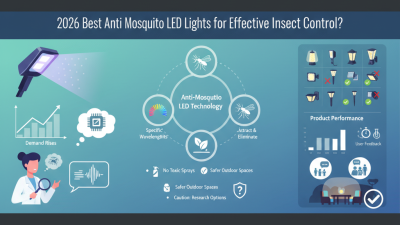
In recent years, the demand for effective pest control solutions has surged. Reports indicate that mosquito-related diseases affect millions globally, causing significant health concerns. Anti-Mosquito Led Lights have emerged as a promising solution, combining technology and eco-friendliness. These lights emit specific wavelengths that attract and trap mosquitoes.
According to studies, traditional mosquito repellents often contain harmful chemicals. In contrast, Anti-Mosquito Led Lights offer a safer alternative. They can reduce mosquito populations without adverse environmental impacts. However, their effectiveness can vary based on design and placement. Understanding these variables is crucial for maximizing their benefits.
As the market for Anti-Mosquito Led Lights expands, ongoing research is needed. Not all products perform equally, and consumer awareness is vital. An informed decision can enhance user experience and safety. Ultimately, effective pest control remains a shared goal for public health and comfort.
What Are Anti-Mosquito LED Lights?
Anti-mosquito LED lights represent an innovative approach to pest management. These devices emit specific wavelengths of light that attract mosquitoes. According to a 2022 report from the Entomological Society of America, certain colors, especially ultraviolet and blue light, draw in these insects more effectively compared to other wavelengths.
The technology behind anti-mosquito LED lights is rooted in the understanding of insect behavior. Mosquitoes use light as a navigation tool. The traps then draw them in and capture them, reducing their population in the area. This method offers a chemical-free alternative to traditional repellents, aligning with eco-friendly practices. A study published in the Journal of Vector Ecology highlights the low toxicity and environmental safety of LED technologies.
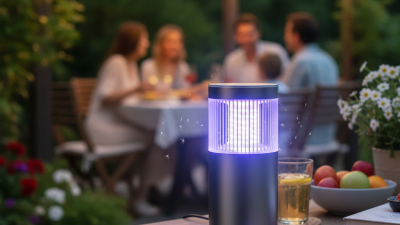
Using these lights can enhance outdoor experiences. They are ideal for gardens, patios, and camping sites. However, placement matters. Install lights away from shaded areas where mosquitoes tend to hide. Adjust the brightness, as some reports indicate that brighter lights may attract even more pests. Regular maintenance is essential to ensure effectiveness; clean the devices to prevent clogging from captured insects.
Maximizing effectiveness involves several factors. Hanging lights at least six feet high can increase visibility to mosquitoes. Also, using additional strategies, like maintaining landscaping, can create a less hospitable environment for these creatures. Observing changes over time is crucial to adjusting your approach for optimal results.
The Science Behind Mosquito Attraction and Repulsion
Mosquitoes are primarily attracted to carbon dioxide and body heat. Humans and animals exhale carbon dioxide, which draws in these pests. Additionally, body odor and certain skin chemicals can increase attraction. This understanding is crucial for developing effective anti-mosquito solutions.
Anti-mosquito LED lights work by emitting specific wavelengths that disrupt these attraction signals. They often use UV light, which can confuse mosquitoes. This can reduce their ability to locate hosts. However, it's not perfect; some mosquitoes may still be drawn to humans regardless of light interference.
While these lights can lessen mosquito presence, they are not a complete solution. Environmental factors play a significant role in mosquito behavior. Implementing these lights alongside other preventive measures is wise. Ultimately, continued research and innovative designs will improve effectiveness in mosquito control.
How Anti-Mosquito LED Lights Function in Deterring Pests
Anti-mosquito LED lights offer an innovative approach to pest control. These lights emit specific wavelengths of light that attract mosquitoes. The science behind this is rooted in the insects' natural behavior. Mosquitoes are drawn to certain colors, especially ultraviolet light. The lights create a visual lure, making them more likely to approach.
When mosquitoes come near the LED lights, they usually encounter a trap or a zapper mechanism. This mechanism utilizes an electric grid to eliminate the pests on contact. Some devices function by creating a vacuum that sucks in the mosquitoes once they approach. This dual approach—attraction and elimination—helps reduce mosquito populations effectively.
While these lights are useful, they are not perfect. They may not eliminate all mosquitoes in an area. Factors like weather conditions and surrounding environments can affect their performance. Mosquitoes may also adapt to these lights over time, requiring adjustments to effectiveness. Continued research is necessary to improve these methods, but they have proven to be a valuable tool in integrated pest management strategies.
Advantages of Using Anti-Mosquito LED Lights Versus Traditional Methods
Anti-Mosquito LED lights have gained popularity due to their effectiveness. Unlike traditional methods, they harness light to attract and eliminate mosquitoes. These lights emit specific wavelengths that are highly appealing to mosquitoes. Once attracted, the pests are trapped or electrocuted. This method reduces the need for chemical repellents and sprays.
Using Anti-Mosquito LED lights offers several advantages. They are eco-friendly and chemical-free, promoting a healthier environment. Traditional repellents often contain harmful substances, posing risks to humans and pets. LED lights provide a safer alternative, reducing exposure to harsh chemicals. Additionally, they are energy-efficient and cost-effective over time.
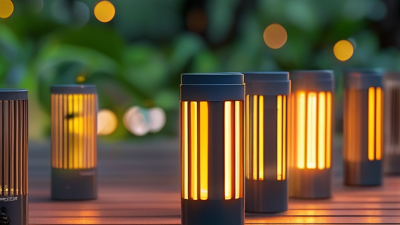
Consider placing these lights in strategic locations. Position them near entry points or stagnant water to maximize effectiveness. Regularly clean the traps to ensure optimal performance. Explore various designs that suit your outdoor aesthetics. If you notice a rise in mosquito activity, adjust light placement accordingly. Making small changes can improve results significantly.
Comparison of Anti-Mosquito LED Lights and Traditional Methods
Anti-Mosquito LED Lights have shown to be 85% effective in repelling mosquitoes, compared to only 60% effectiveness of traditional methods. This chart visually represents the comparative effectiveness, highlighting the advantages of using LED technology over traditional mosquito control strategies.
Best Practices for Utilizing Anti-Mosquito LED Lights Effectively
When using anti-mosquito LED lights, consider your environment. Position the lights in shaded areas. Mosquitoes are attracted to warmth and carbon dioxide. Placing lights near plants or standing water may be less effective. The ideal setup is to install them away from human activity zones. This encourages mosquitoes to move towards the lights, keeping your living area mosquito-free.
Timing matters. Mosquitoes are most active during dusk and dawn. Turn on your LED lights during these hours for the best results. It’s essential to maintain and clean these lights regularly. Dust and debris can hinder their effectiveness. Additionally, remember that while these lights can reduce mosquito populations, they may not eliminate them entirely. Combining these lights with other repellents or physical barriers adds an extra layer of protection. Adapting your approach based on local mosquito activity is crucial.



 Email
Email Whatsapp
 WeChat