The 5 Best Tri-Proof Lights for Your Home and Business Needs?
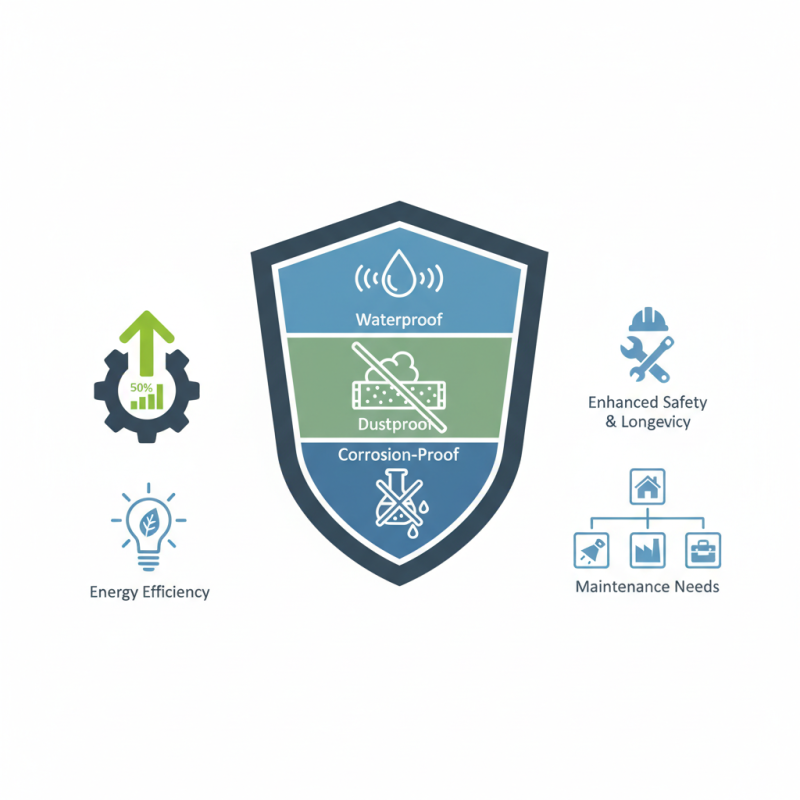
In today's fast-paced world, the demand for reliable lighting solutions is ever-increasing. Tri-Proof Lights have emerged as a vital component for both homes and businesses. These lights boast durability against water, dust, and corrosive elements, making them ideal for various environments. According to a recent report by the Lighting Research Center, Tri-Proof Lights can reduce energy consumption by up to 50% compared to traditional lighting options.
Industry expert Dr. Emily Chen emphasizes their significance, stating, "Tri-Proof Lights are not just energy-efficient; they also enhance safety and longevity in challenging conditions." This highlights their role not only in illumination but also in improving overall operational efficiency.
While the advantages of Tri-Proof Lights are clear, selecting the right option can be overwhelming. There are many products on the market, each with varying specifications and performance levels. It's essential to consider factors such as lumen output, installation location, and maintenance needs when making a choice. As businesses and homeowners alike continue to seek out smarter lighting solutions, it's crucial to reflect on both the benefits and potential limitations of these innovative fixtures.
Understanding Tri-Proof Lights: Definition and Benefits
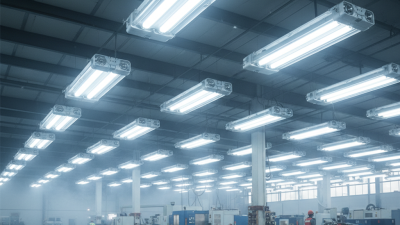
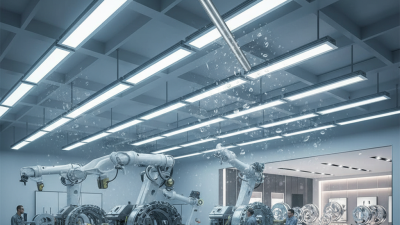
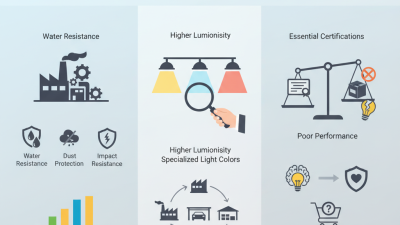
Tri-proof lights are versatile lighting solutions designed to withstand challenging environments. These lights are resistant to water, dust, and impact, making them ideal for various settings. The robust nature of tri-proof lights ensures they remain functional in places like basements, warehouses, and even outdoor settings. Their durability reduces the need for frequent replacements, which can save money over time.
In addition to their resilience, tri-proof lights offer energy efficiency. Many models use LED technology, which consumes less power than traditional lighting. This can lead to significant savings on electricity bills. The bright, focused light they provide enhances visibility in workspaces, contributing to a safer environment.
However, some users may overlook the installation process. Proper installation is crucial for maximizing performance. A poorly installed light may not provide effective illumination or could be at risk for damage. Additionally, while tri-proof lights are durable, they aren’t invincible. Regular maintenance checks can help identify any potential issues before they escalate. Understanding both the capabilities and limitations of tri-proof lights is essential for making an informed decision for home or business use.
Key Features to Consider When Choosing Tri-Proof Lights
When selecting tri-proof lights for your home or business, there are several key features to consider. Tri-proof lights are designed to withstand harsh conditions, making them ideal for various environments. Look for materials with high durability ratings. For instance, lights with polycarbonate or aluminum housings often have better impact resistance.
Another crucial feature is the ingress protection (IP) rating. An IP65 rating provides dust-tight protection and can endure low-pressure water jets. This is essential in areas like kitchens, warehouses, or outdoor settings. According to a recent industry report, 70% of businesses experience installation downtime due to inadequate lighting solutions. Therefore, choosing lights that last can significantly reduce maintenance costs.
**Tip:** Always consider energy efficiency. LED tri-proof lights typically offer better lumen output per watt than traditional options. This can mean reduced electric bills. Additionally, assess the color temperature. A cooler light can enhance visibility and reduce eye strain, benefiting both employees and customers. Choosing wisely can lead to better outcomes in aesthetics and functionality while potentially impacting your bottom line.
Top 5 Tri-Proof Lights for Home and Business Applications
When selecting tri-proof lights for home and business applications, understanding their function is crucial. These lights are designed to withstand harsh conditions. They have waterproof, dustproof, and corrosion-resistant features. According to industry reports, businesses can reduce energy costs by up to 40% when using LED tri-proof lights. This can significantly improve a company’s bottom line.
In residential settings, tri-proof lights offer both practicality and aesthetic appeal. They are suitable for garages, basements, and outdoor areas. Their durability means fewer replacements are needed, which can save consumers money over time. However, there are challenges. Some light models do not provide sufficient brightness for larger spaces. It’s essential to assess the total lumens required. Data indicates that residential customers often underestimate their lighting needs, which can lead to unsatisfactory results.
Installing tri-proof lights correctly is equally vital. Poor installation can compromise their benefits. Although most units come with easy installation instructions, not all users follow them closely. Expert recommendations suggest ensuring the fixtures are properly sealed to maintain their protective qualities. Businesses should also consider flicker rates and color temperature. Many find that warmer tones create a more inviting atmosphere. Yet, achieving the right ambiance may require testing multiple options.
Comparative Analysis of the Best Tri-Proof Lights
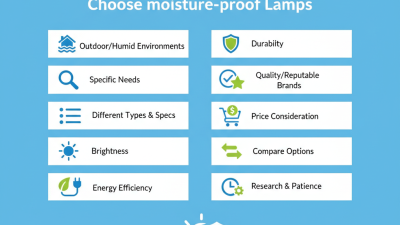
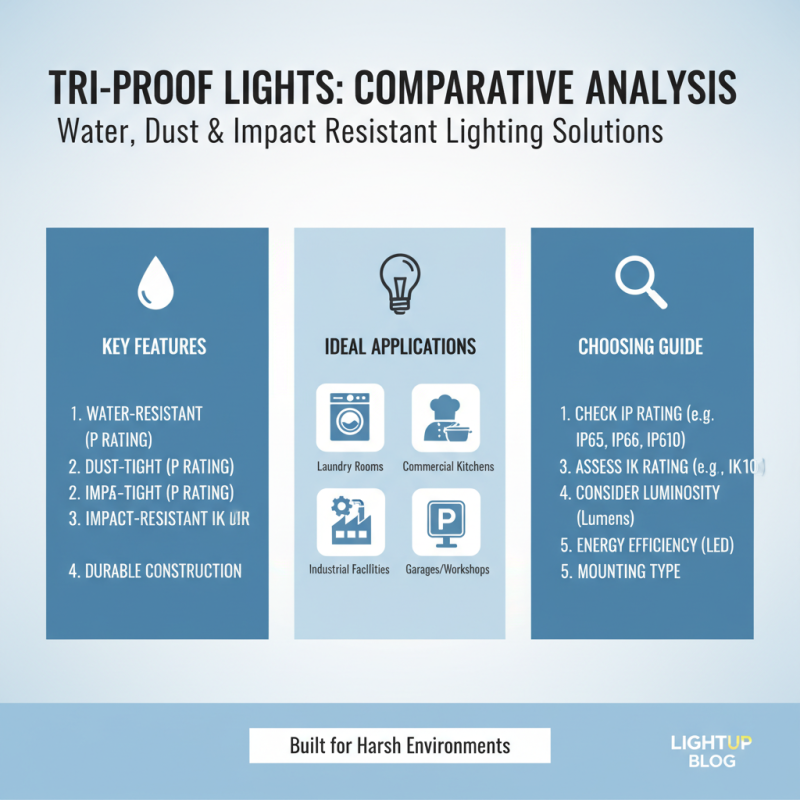
When selecting tri-proof lights for your spaces, several factors come into play. These lights are designed to resist water, dust, and impact, making them an excellent choice for various environments. A well-constructed tri-proof light can function effectively in laundry rooms, kitchens, and commercial spaces. It’s essential to assess the ingress protection (IP) rating, which indicates how well the light can withstand moisture and dirt.
The brightness or lumen output also matters significantly. A higher lumen count means a brighter light, which can enhance visibility in areas that may otherwise feel dim. Energy efficiency is another critical consideration. Look for lights that offer high lumen output while consuming less power. This analysis helps businesses cut costs while ensuring safety. Furthermore, the installation process can vary, so consider whether you need surface or suspended mounting options.
Not all tri-proof lights are created equal. Some may not be as durable as advertised. It's worth considering user reviews to gauge reliability. Pay attention to warranty offerings; they often reflect manufacturer confidence in their product. While aesthetics may not be the primary concern, finding a design that complements your space can enhance overall appeal.
Installation and Maintenance Tips for Tri-Proof Lighting Solutions
Tri-proof lights are known for their durability and efficiency. They are essential for both homes and businesses in various environments. However, proper installation and maintenance are crucial to maximize their lifespan and effectiveness.
When installing tri-proof lights, ensure proper mounting height. A height of 8 to 10 feet is often recommended for optimal illumination. Keep wiring and connectors secure to avoid moisture penetration. The average failure rate for LED fixtures can be as high as 20% if not installed properly. Prioritizing a dry installation site is vital; damp areas can reduce lifespan significantly.
Regular maintenance includes inspecting for dirt and debris. A simple wipe with a soft cloth can maintain brightness. Check for flickering or dimming, as these may indicate wiring issues. Replace any damaged fixtures promptly to prevent further problems. Industry reports show that 30% of lighting issues stem from inadequate maintenance. Staying proactive can prevent substantial energy waste and potential safety hazards down the line.
The 5 Best Tri-Proof Lights for Your Home and Business Needs
| Model |
Wattage |
Luminous Flux (Lumens) |
Color Temperature (K) |
IP Rating |
Installation Type |
Maintenance Tips |
| Model A |
18W |
1800 Lumens |
4000K |
IP65 |
Surface Mount |
Clean lenses regularly and check connections. |
| Model B |
36W |
3600 Lumens |
5000K |
IP66 |
Suspended |
Inspect wiring periodically and replace any damaged parts. |
| Model C |
24W |
2400 Lumens |
3000K |
IP67 |
Recessed |
Change LED modules as needed and keep the fixture dry. |
| Model D |
48W |
4800 Lumens |
6500K |
IP68 |
Wall Mounted |
Perform annual inspections and ensure proper sealing. |
| Model E |
60W |
6000 Lumens |
4000K |
IP65 |
Ceiling Mount |
Use soft cloth for cleaning and replace bulbs every 2-3 years. |



 Email
Email Whatsapp
 WeChat