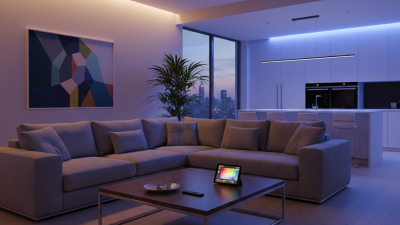
How to Choose the Best Decoration Lights for Your Home?
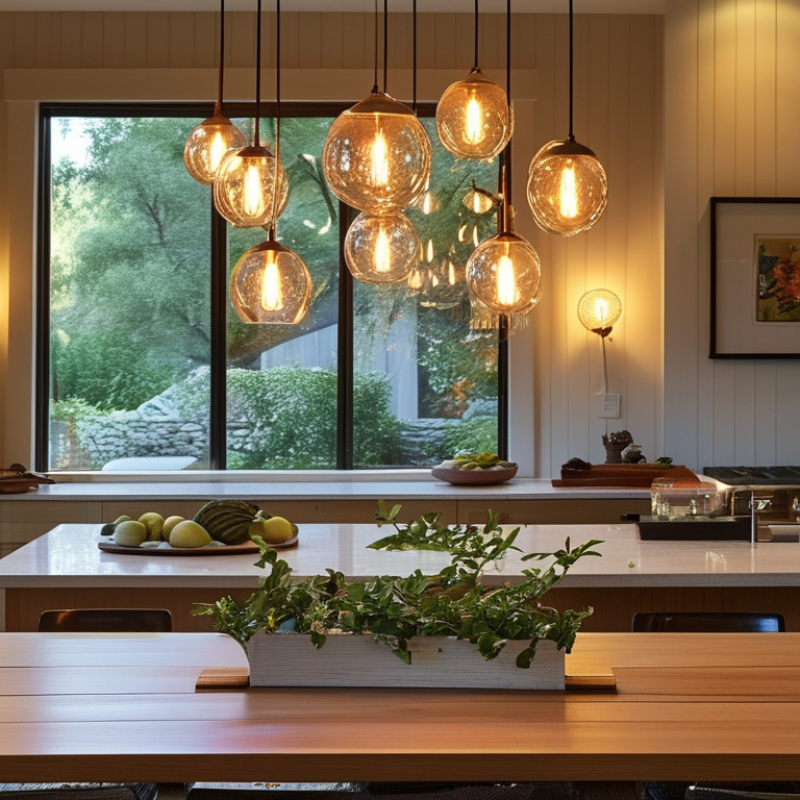
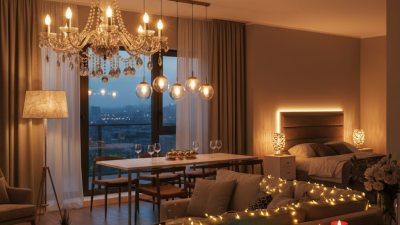
Choosing the right Decoration Lights can transform your home. It enhances the ambiance and adds character. According to John Lightman, a renowned lighting designer, “The right lights change everything.” This quote encapsulates the essence of lighting in home decor.
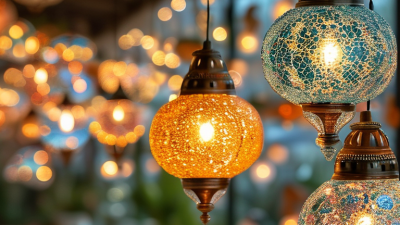
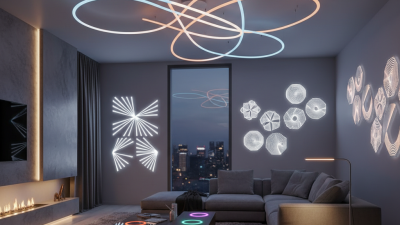
When selecting Decoration Lights, consider the purpose and mood you wish to create. Will it be for a cozy evening or an energizing space? Different lights evoke different feelings. Narrowing down your choices can be overwhelming. Many people struggle with picking the style that fits their home best.
Look for versatile options that complement both modern and traditional designs. Remember, not all lights suit every space. Pay attention to the scale and brightness. A bright chandelier may overwhelm a small room. Reflect on how you use each area. Subtle lighting can create intimacy, while brighter options can energize your space.
Choosing Between LED and Traditional Bulbs for Home Decoration
When choosing between LED and traditional bulbs for home decoration, consider brightness, energy use, and lifespan. LED lights are known for their efficiency. According to the U.S. Department of Energy, LED bulbs use at least 75% less energy than traditional incandescent bulbs, resulting in lower electricity bills. This efficiency also means less heat generation, making your home safer and cooler.
The longevity of LED bulbs is impressive as well. They can last up to 25,000 hours, compared to the 1,000 hours of traditional bulbs. This fact is crucial for those who value convenience. However, the upfront cost of LED lights can be higher, leading some to hesitate. The average price of a high-quality LED bulb may seem daunting, but over time, the savings on your electricity bill will offset this initial investment.
Color options are another critical factor. LED bulbs come in various color temperatures, from cool to warm white. This flexibility allows for the perfect ambiance in any room. Traditional bulbs generally emit a warm light, which some people prefer. However, their limited spectrum can feel outdated. Personal preference plays a significant role here. Reflect on the atmosphere you want to create. Each choice has its merits and drawbacks. Consider which factors are most important to you before making a decision.
Understanding Brightness: Lumens vs. Watts in Decorative Lighting
When selecting decorative lights for your home, understanding the difference between lumens and watts is crucial. Lumens measure brightness, while watts indicate energy consumption. According to the U.S. Department of Energy, a standard 60-watt bulb produces about 800 lumens. However, newer LED bulbs use only 8 to 12 watts for the same brightness. This significant reduction in energy usage is important for sustainability.
Choosing the right brightness can enhance the mood and functionality of a space. For cozy ambience, aim for lower lumens—around 100-300 for soft lighting. For task lighting, like in kitchens, opt for brighter ratings of 500-1000 lumens. Remember, more lumens do not always equate to better lighting; the placement plays a vital role.
Tips: Always consider the room’s size and purpose when selecting lumens. Test different lighting setups to find what feels best. A room can feel harsh with too much brightness or too dim with insufficient lighting. Balance is key. Furthermore, mix different types of lights; use ambient, task, and accent lighting for a layered effect. This approach can create depth and interest in your decor while also ensuring functionality.
Exploring Color Temperature: Warm vs. Cool Lights and Their Effects
When choosing decoration lights, color temperature plays a crucial role. Warm lights, typically with a yellowish hue, create a cozy atmosphere. They are ideal for living rooms and bedrooms, where relaxation is key. On the other hand, cool lights emit a bluish tone that feels energizing. These are great for kitchens or workspaces, enhancing focus and productivity.
Understanding how these colors affect mood is essential. Warm lights may foster intimacy but can feel too dim in some settings. Cool lights can appear harsh in a home environment, potentially leading to discomfort. It's important to strike a balance. For instance, dimmable lights can allow for flexibility; adjusting the warmth can transform a room for various occasions.
Consider your personal preferences and the rooms’ functions. Experimentation can lead to discoveries about what works best. Sometimes, the change might not be as expected. You may find that a warm light feels less inviting than you thought. Reflecting on these experiences can guide your future choices, ensuring your home lighting aligns with your lifestyle.
Understanding Color Temperature Preferences for Home Decoration Lights
This chart illustrates the preference levels of different color temperatures for home decoration lights. Warm white and soft white are favored by most, while daylight options have the least popularity among users.
Energy Efficiency Ratings: How to Select Eco-Friendly Lighting Options
When selecting lighting for your home, energy efficiency is vital. A report from the U.S. Department of Energy states that LED bulbs use at least 75% less energy than traditional incandescent bulbs. This notable reduction helps lower electricity bills and decreases your carbon footprint.
Consider energy ratings when shopping. Look for products with the ENERGY STAR label. These lights meet strict efficiency guidelines set by the Environmental Protection Agency. They reduce greenhouse gas emissions while providing brilliant illumination. It’s an economical choice for your home.
Tips: Always compare wattage and lumen output. Higher lumens mean more brightness for less energy. Not all energy-efficient lights deliver the same quality. Review products from reliable sources and read user reviews for insights. It's essential to be aware that not all eco-friendly options are long-lasting, so consider the lifespan in your decision-making.
Five Essential Tips for Layering Lights to Enhance Home Decor
Layering lights can truly transform your home decor. It’s not just about brightness; it’s about creating ambiance. Start with ambient lighting. This is your main light source. Choose fixtures that fill the space evenly. Ceiling lights or chandeliers can work well for this purpose. Ensure they are not too harsh. Soft, diffused light encourages relaxation.
Next, consider task lighting. This type of lighting is essential for areas like reading nooks or kitchens. Use table lamps or under-cabinet lights to focus on specific tasks. They should be bright enough to help you see but not overwhelming. Experiment with placement to find what works best for you.
Finally, add accent lighting for depth. Wall sconces, spotlights, or decorative string lights create visual interest. Use them to highlight artwork or architectural features. Remember, balance is key. Too much of one type can feel chaotic. Reflect on how each layer interacts. Adjust as needed until it feels just right. Your space should feel inviting and reflect your personal style.
How to Choose the Best Decoration Lights for Your Home? - Five Essential Tips for Layering Lights to Enhance Home Decor
| Lighting Type |
Best for |
Key Features |
Placement Tips |
| Ambient Lighting |
Overall room illumination |
Soft light, usually ceiling-mounted |
Use in conjunction with dimmer switches |
| Task Lighting |
Specific activities like reading or cooking |
Focuses light on task areas |
Direct light towards the work surface |
| Accent Lighting |
Highlight artwork or architectural features |
Creates visual interest with focused beams |
Position above or beside the item being highlighted |
| Decorative Lighting |
Aesthetic enhancement to the space |
Design-oriented, unique fixture styles |
Use as statement pieces in focal areas |
| Natural Lighting |
Daytime illumination and energy savings |
Utilizes windows and skylights |
Maximize by using light-color curtains |



 Email
Email Whatsapp
 WeChat