








ADVANTAGES OF LED LIGHTS
1. LONG LIFE
The unique components of LED and their light-generation mechanism significantly extend the lifespan of these bulbs. Unlike other bulb types—whose lifespans are shortened even with proper use, let alone improper handling—LED bulbs boast low heat emission, exceptional durability, and superior energy efficiency. These traits enable them to outlast traditional bulbs by thousands of hours, delivering long-lasting reliability.

Typically, critical components of traditional light bulbs—such as the filament—weaken over time, eventually causing the bulb to burn out. LED, however, do not fail this way. Instead, their light output gradually diminishes in a process known as “lumen depreciation.” The rated lifetime of an LED bulb is defined by how long it takes for its lumen output to drop to 30% of its original level. This means if you don’t mind (or don’t notice) the slight reduction in brightness, the bulb will likely last even longer than the average rated hours listed on its packaging.
While some budget LED bulbs may only last around 5,000 hours—still 3,000 to 4,000 hours longer than the average rated lifespan of an incandescent bulb—many branded LED bulbs boast a rated lifespan of over 25,000 hours.

2. ENERGY EFFICIENCY
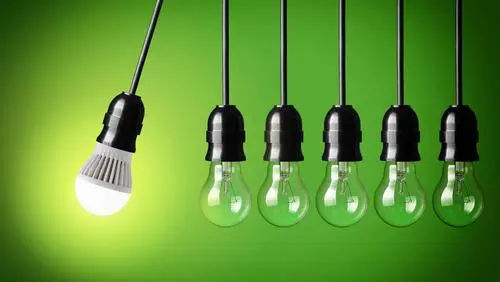
LED are highly efficient, converting around 70% of energy into light (thanks to high lumen per watt)—far better than other bulbs, which waste most energy as heat. A 6W LED matches the brightness of a 40W incandescent, and its lower temperature makes it safer too. By contrast, incandescent get hot enough to burn children and can start fires if they touch flammable materials like curtains.
Swapping one 60W bulb for an LED cuts ~160kg of CO₂ yearly. Replace 10 home lamps with LED, and you’ll reduce annual CO₂ by roughly 1,600kg.
3. HIGH BRIGHTNESS AND INTENSITY
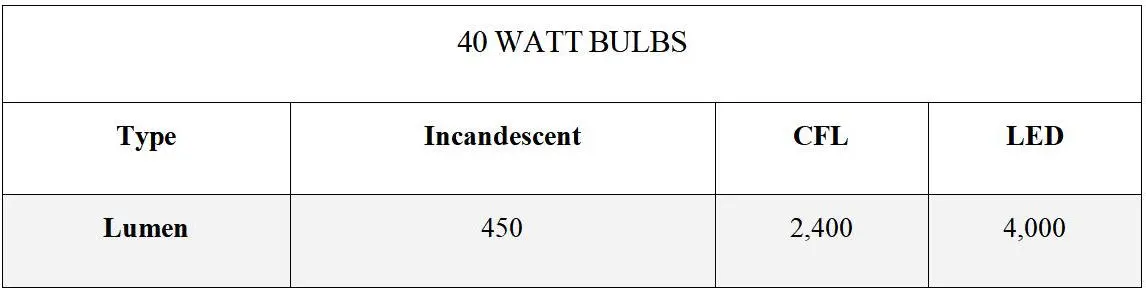
LED are capable of emitting an extremely high level of brightness. That’s why wattage is no longer a viable measurement of brightness – instead, look at a bulb’s lumen output when you’re making the switch to LED or other energy efficient lighting. Take a look at how LED compare to incandescent and CFL bulbs:
5. LOW RADIATED HEAT
Incandescent bulbs make light by heating a filament, but LED emit light as electromagnetic energy when powered—turning energy into light (not heat). This lets LED become much cooler than other bulbs.
Any small amount of heat LED produce is dispersed by the special heat sink, keeping it away from the diodes. While the base of fixture may feel warm, LED do not emit infrared warmth in their light. This makes them perfect for heat-sensitive areas (like artwork displays), as they won’t fade or damage paints/dyes with heat.
6. RELIABILITY
7. INSTANTANEOUS ILLUMINATION
Does this sound familiar? You turn on a light to look for something, but you have to wait a few moments before you can see anything, or you’ve already found it before the bulb has even reached its maximum light output. Unlike CFL, which take a few moments to warm up, LED operate at full brightness from the moment you flip the switch.
8.DIRECTIONAL LIGHTING
By design, LED emit their light in one direction rather than all around. This helps reduce energy consumption because no light is wasted or trapped within reflectors and diffuser, which can keep over half the generated light from exiting the bulb. The directional nature of their output makes LED ideal for applications such as task lighting and recessed downlights.

**Winway have been dedicated to Led Lighting over 10 years,we have extensive technical experience.If there is any unclear part,please feel free to contact us at anytime.We will use our professional knowledge of Led Lighting to assist you clarify your doubts.