







The Comprehensive Transformation---The New Leap from “Bright” to “Smart”
1.Background for rise of Led Lighting
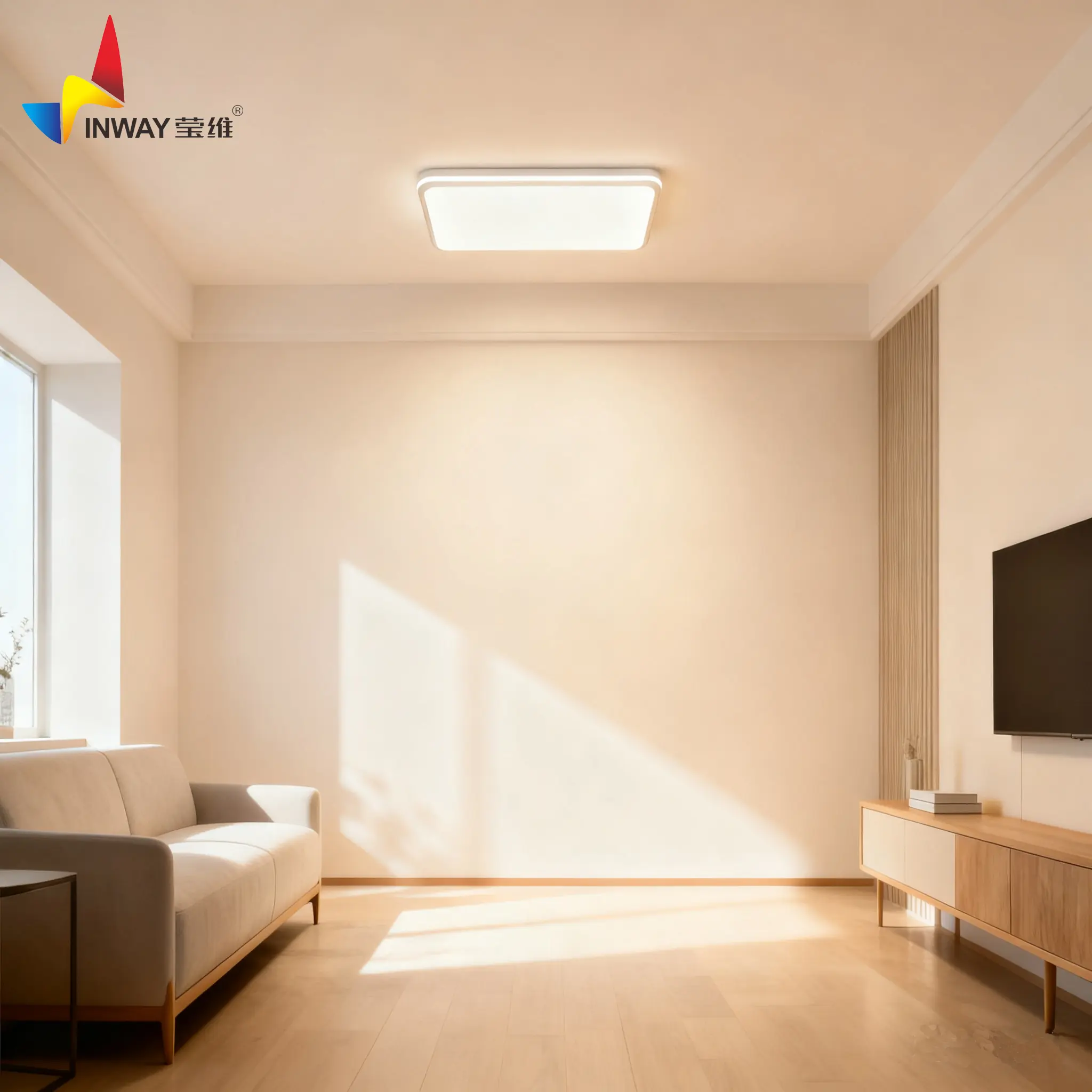
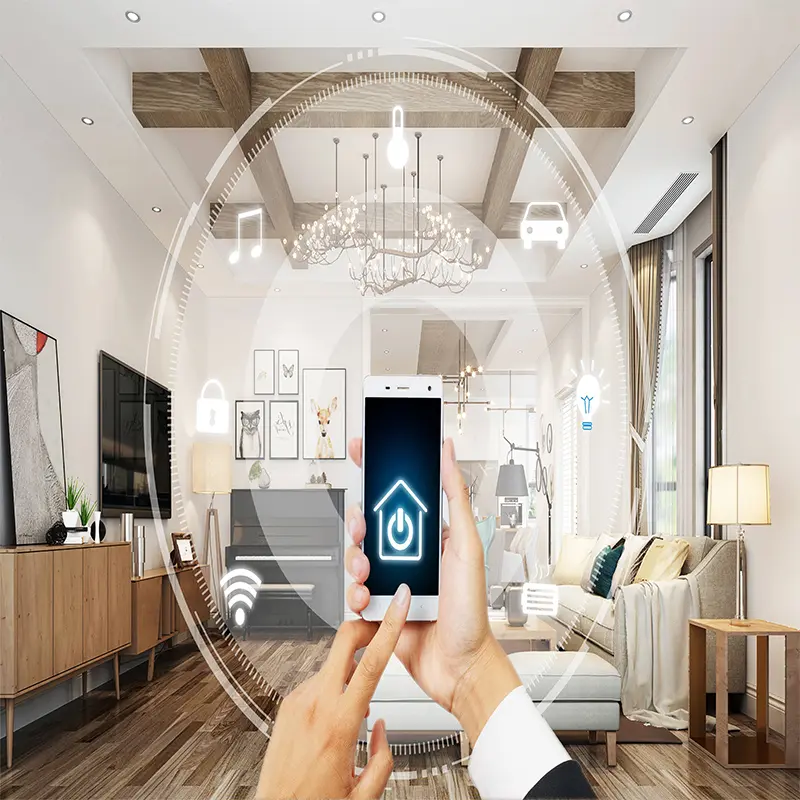
With the raid advancement of technology,the Led Lighting industry is undergoing one comprehensive transformation from “Bright” to “Smart”.This transformation not only enhances lighting performance but also introduces new features such as intelligence,energy conservation and environmental protection,bringing greater convenience and comfort to people lives.The Led Lighting industry is currently experiencing unprecedented development opportunities.Not only are technological innovations constantly emerging,but national policies are also providing strong support.Against this backdrop, understanding industry trends and policy trend is crucial for businesses.This article will provide you with the latest information and policy interpretations in the Led Lighting industry,helping you seize marker opportunities and gain a leading position in the industry.
In recent years, amidst the global energy transition,the push of “dual carbon”goals and rapid technological advancements,Led Lighting with its significant energy savings,outstanding performance,diverse intelligent applications and environmentally friendly features,it become the leading choice in the global lighting industry unsurprisingly.China--the world’s largest producer and consumer of lighting product,the widespread and growing adoption of Led Lighting has been particularly noteworthy.Its development not only aligns closely with national policy but also profoundly drives changes in urban lighting design concepts.

2.Promotion of national policies
2.1►Achieving energy conservation and carbon reduction goals
The strong national policy support has made Led Lighting play an increasingly important role in energy conservation and carbon reduction. Compared to traditional lighting,Led Lighting offers significant energy savings,aligning with the nation “Dual carbon” goals and playing the significant role in significantly reducing energy consumption and carbon emissions. The Chinese government committed to the green and low carbon transition,has elevated lighting energy conservation to the national strategic priority.Providing strong policy support for the rise of the Led Lighting industry.
Furthermore,the national government has strongly supported the Led Lighting industry through industrial planning.The government has promoted the development of the Led Lighting industry through policy documents,accelerating the adoption of high-efficiency and energy-saving products,eliminating inefficient products,and supporting high-quality development.The series of policy documents,including the “14th Five -Year Plan For Energy Conservation and Emission Reduction” and the “14th Five-year plan for a Modern Energy System,” explicitly call for the promotion of high-efficiency and energy-saving lighting products and the gradual elimination of inefficient ones.The Ministry of Industry and Information Technology and other departments also have been promoting the higher-quality development of the Led Lighting industry.Improving its core technology and competitiveness continuously.
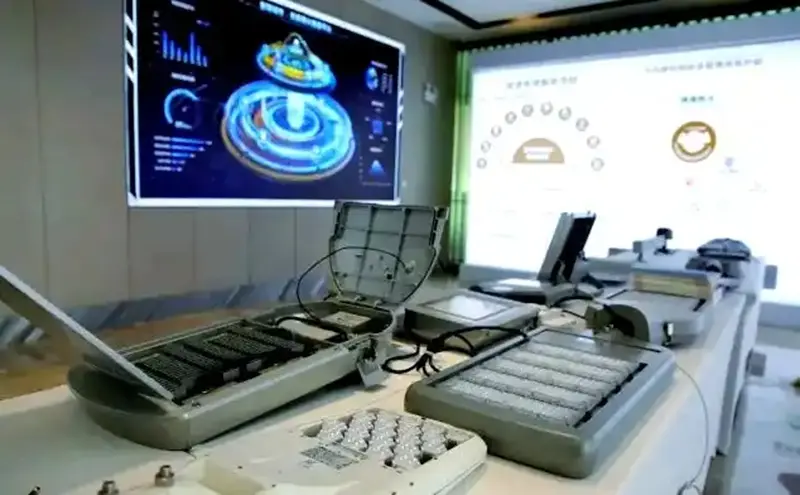
At the same time,the nation vigorous promotion of the “New Infrastructure” strategy has also brought new development opportunities to Led Lighting.The development of smart transportation,smart municipal infrastructure and smart cities offers ample opportunities for integrating Led Lighting with cutting-edge technologies such as the Internet of Things,big data and artificial intelligence.Because of Led Lighting ease of digital control,they are playing an increasingly important role in smart city sensor networks and information exchange.
3.The trends of Led Lighting market
3.1► Growth in market size and penetration
Industry research firm date indicated that China’s Led Lighting market will exceed 500 billion yuan in 2023,accounting for over 85% of the market share. The goal market is projected to exceed $ 100 billion by 2025. Among lighting products,Led Lighting already account for over 85% of the market share,dominating various sectors,including general lighting,landscape lighting and specialty lighting. Looking ahead, the global Led Lighting market is projected to exceed $100 billion by 2025,China will continuing to be the core growth driver.
3.2►Technological innovation and intelligent development
As the luminous efficacy of LED chip continues to rise,mainstream white LEDs have now surpassed 200lm/W,with laboratory results exceeding 300lm/W,this reaching new heights in energy efficiency continuously.LED chip luminous efficacy has significantly improved,exceeding 200lm/W,supporting intelligent control and remote dimming,enhancing the user experience.Furthermore,LEDs have significantly surpassed traditional light sources in key performance indicators such as color rendering index,color temperature control and lifespan(typically50000 to 100000 hours).
4.Changes in urban lighting design concepts
4.1►Innovation of design concept
The rapid development of Led Lighting technology has not only revolutionized the technical characteristics of light sources but has also profoundly influenced the concepts,methods and goals of urban lighting design. Lighting design has shifted from the focus on displaying wealth to the more nuance approach to humanistic care,placing greater emphasis on citizen experience,emphasizing individuality and diversity to create a compelling and engaging experience.This shift from simply pursuing “Brightness” to prioritizing “environmental beautification,intelligent control and green energy conservation” is driving urban lighting beyond the basic need of simply “brightening” and towards the higher realms of “beautification,” “intelligence” and “greening”.

4.2►Technological application and cultural connotation
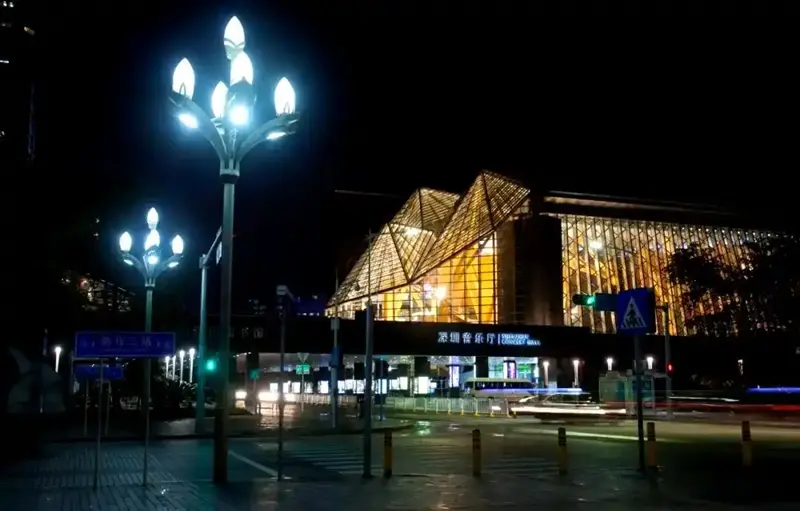
Leveraging the digital nature of LED technology,the modern lighting designs can achieve dynamic lighting effects and color shifts.LED technology enhances lighting effects and color reproduction,while smart streetlights integrate multiple intelligent functions,showcasing the city cultural landscape and enhancing a sense of identity at the same time. From “standardization” to “diversification”, lighting design is increasingly focused on adapting to the unique functions and cultural backgrounds of different regions,fully showcasing the city unique landscape and cultural heritage.
4.3► Sustainability and Eco-friendliness
Led Lighting technology contains without hazardous substances like mercury, making its waste disposal process environmentally friendly.Furthermore,its long lifespan reduce replacement frequency,further reducing waste generation. LEDs are mercury-free,resulting in environmentally friendly waste disposal.By optimizing design, they reduce resource consumption,enhance sustainability and protect ecosystems.In the lighting design process, people are increasingly choosing energy-efficient products and are optimizing light distribution, controlling glare,and controlling uplight to protect the light sky and maintain ecological balance.
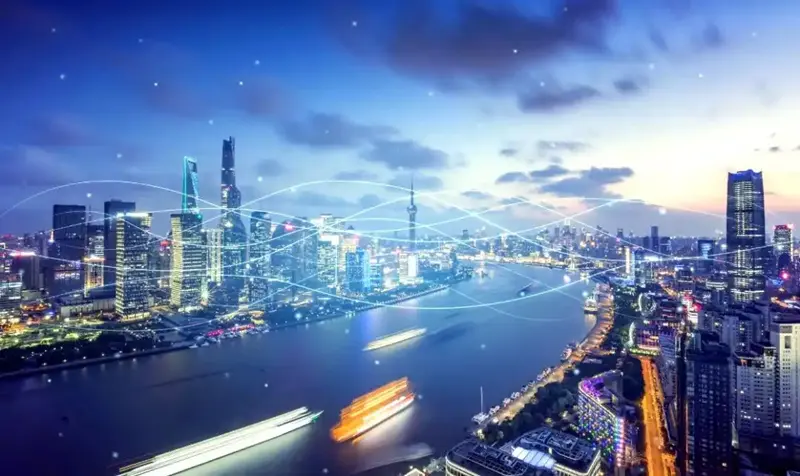
Painting the more captivating picture of the city at night. Looking ahead,with the continuous advancement of cutting-edge technologies such as Mini/Micro LED and Li-Fi, the application areas and potential of LED lighting will be further explored,continuing to usher in a new chapter in the lighting industry and urban development.