






What is the Difference Between Human-Centric Lighting, Smart Lighting, and Healthy Lighting?
In recent years, human-centric lighting (HCL) has gained significant popularity. This is because as people’s demands for light quality increase, the future of lighting development will tend toward people-oriented human-centric lighting.
Human-centric lighting refers to an lighting approach that simulates natural daylight to enhance human physiological functions. It can improve physical performance, comfort, health, and well-being. Beyond smart lighting and healthy lighting, it is more accurately a partial combination of the two.
Key Factors for Realizing Human-Centric Lighting
There are five core factors to achieve human-centric lighting:
1.Spectrum: Determines color temperature, color rendering index (CRI), and blue light intensity, which play a decisive role in the final lighting effect.
2.Illuminance: The most intuitive experience for users, directly affecting their perception of lighting use.
3.Light Distribution: Ensures light is directed to the right areas according to aesthetic needs.
4.Lighting Timing: Provides illumination at appropriate times to prevent light pollution. 5.Lighting Duration: Influences users’ moods.
Advantages of Human-Centric Lighting Over Traditional Led Lighting
Traditional Led Light sources have drawbacks: they cause retinal damage due to short-wave blue light (in terms of visual effects) and disrupt circadian rhythms (in terms of non-visual effects).
In contrast, human-centric lighting offers solutions:
*Reduces the proportion of harmful short-wave blue light to alleviate eye strain.
*Intelligently simulates the solar spectrum to regulate humans’ normal circadian rhythms.
Challenges in Implementing Human-Centric Lighting
To realize human-centric lighting, three key elements are required:
# Excellent optical design.
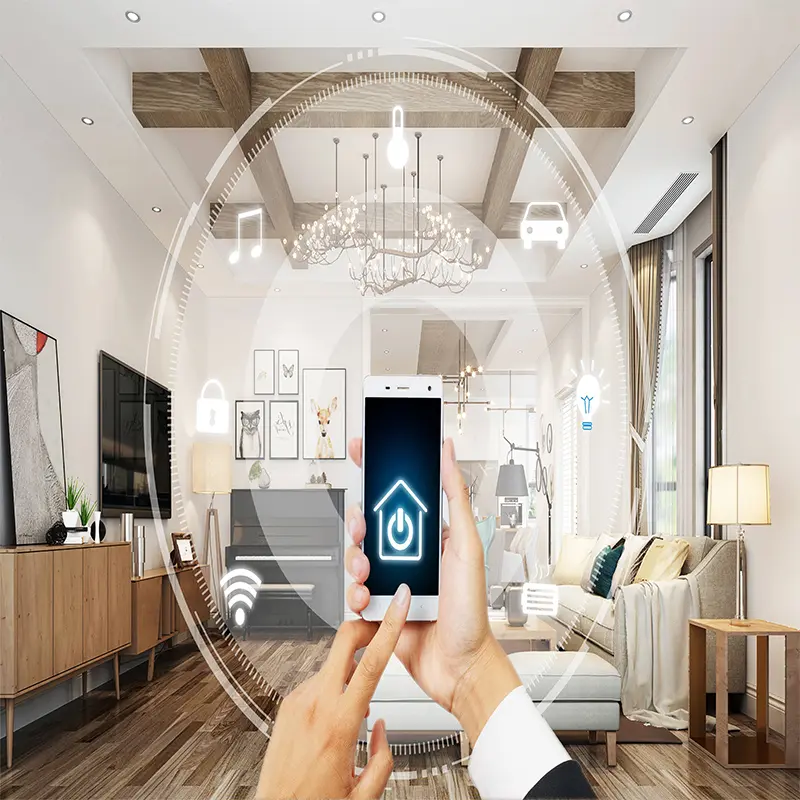
# A comprehensive intelligent control and data analysis system.
# High-quality Led Light sources.
Wide Applications of Human-Centric Lighting
Different groups have distinct needs for human-centric lighting, leading to its diverse applications:
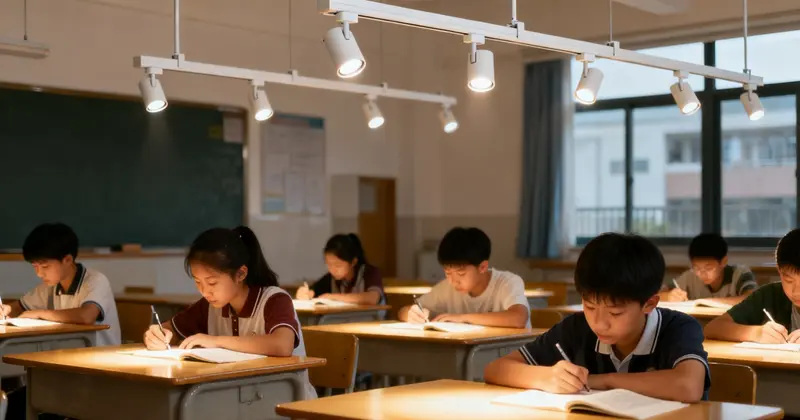
1. Classroom Lighting
Focuses on eye protection, reducing blue light harm, and improving students’ learning efficiency.
Adapts to different learning modes, requiring products with low blue light content, high color fidelity, high saturation, and a continuous spectrum.
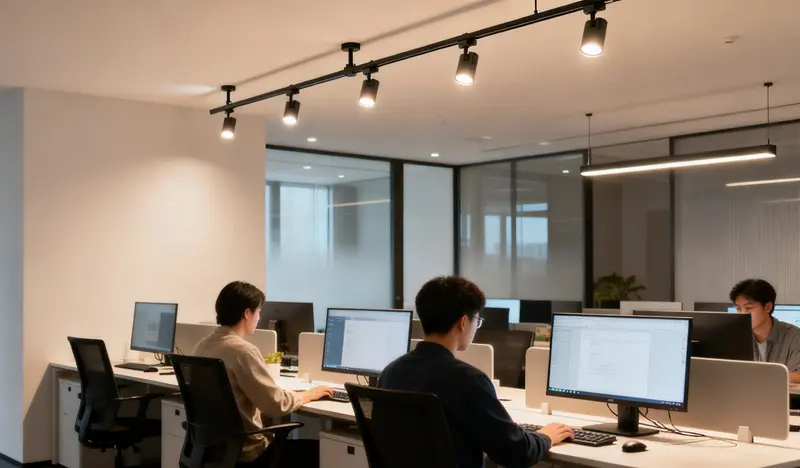
2. Office Lighting
Needs to support high alertness, high CRI, and circadian rhythm regulation. Meets office workers’ demands for simplicity, efficiency, comfort, softness, high color rendering, low blue light, and adjustable brightness for work and rest periods.
Mainly uses warm white light and simulates a continuous spectrum. Optimized spectral energy distribution affects melatonin levels, while also improving room illuminance, brightness uniformity, color rendering, and reducing glare and sudden light changes.
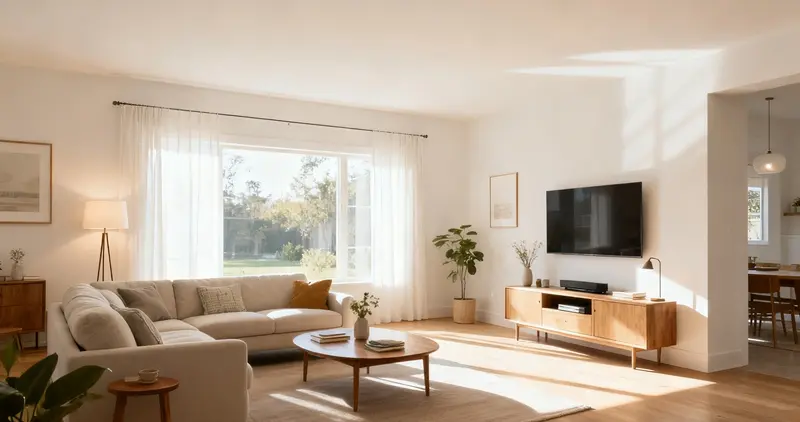
Lighting is soft and comfortable, with functions to regulate sleep and simulate natural daylight.
Restaurants: Features high design value, adjustable color temperature, and high color rendering to create a private and comfortable atmosphere for guests.
Landscape Lighting: Uses compact LEDs with high design value, striking projection effects, and rich colors. It not only provides lighting but also emphasizes artistic conception and sensory enjoyment.