2026 Top Trends in Lighting Fixture Design and Innovation
The world of lighting fixture design is undergoing rapid transformation. As we look toward 2026, emerging trends are reshaping how we perceive and use light in our spaces. Lighting fixtures are no longer mere sources of illumination; they are becoming essential elements of interior design. Designers are blending aesthetics and functionality to create innovative products that meet diverse needs.
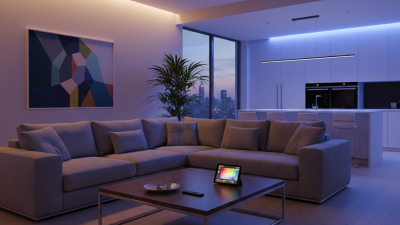
Sustainability is a major driver in this evolution. Manufacturers are focusing on eco-friendly materials and energy-efficient technologies. Smart lighting solutions offer adaptability and ease of use. They enable users to personalize their environments with a simple touch. However, there are challenges in balancing innovation with practicality. Some designs prioritize unique forms over user experience, creating potential usability issues.
Ultimately, the future of lighting fixtures hinges on striking a balance between artistry and everyday functionality. As trends evolve, the key will be designing fixtures that not only captivate the eye but also enhance our daily lives. This section will explore these facets of lighting fixture innovation in detail.
Emerging Materials and Sustainable Practices in Lighting Design
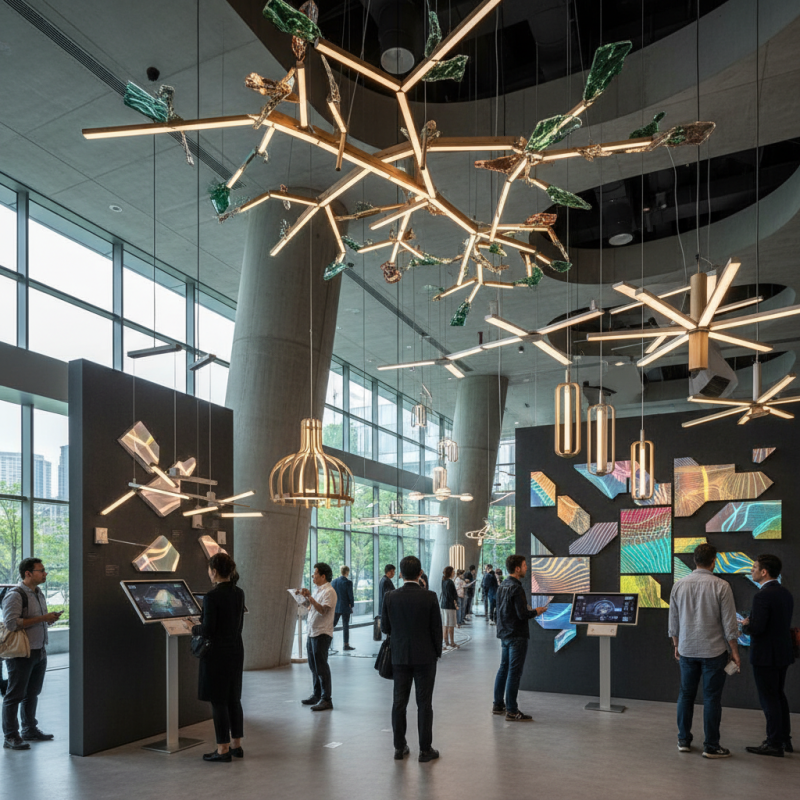
Lighting design is experiencing a significant transformation driven by emerging materials and sustainable practices. According to a recent report from the International Energy Agency, energy-efficient lighting options can reduce energy consumption by up to 75%. This shift not only conserves energy but also leads to lower operational costs for consumers. The use of innovative materials, like bioplastics and recycled metals, increasingly dominates the landscape, pushing the boundaries of what’s possible in fixture design.
Sustainability is not just a trend; it's essential. Designers are challenged to find eco-friendly materials that also meet aesthetic and functional demands. For instance, biodegradable materials can be used without sacrificing durability or style. However, adoption remains slow. Some designers still lean on traditional materials, highlighting a gap in the industry. Reports suggest that only about 30% of lighting manufacturers actively incorporate sustainable practices in their operations.
While many advancements are encouraging, not all practices are environmentally sound. The lifecycle impact of new materials is still being assessed. Designers need to critically evaluate the sustainability of each choice. Balancing performance, aesthetics, and eco-friendliness is an ongoing challenge. A commitment to transparency in sourcing and production processes is vital as the industry evolves.
Smart Lighting Technologies: The Rise of Connectivity and Automation
The rise of smart lighting technologies is reshaping the lighting fixture landscape. With an increased focus on connectivity and automation, many homes and businesses are adopting intelligent lighting systems. According to a report by the Freedonia Group, the smart lighting market is expected to grow by over 25% annually through 2026. This significant growth reflects a shift toward integrated lighting solutions that enhance both energy efficiency and user experience.
Connectivity is transforming how we interact with light. Sensors and IoT-enabled devices enable automated adjustments based on occupancy and ambient light levels. For instance, buildings equipped with smart lighting can reduce energy consumption by up to 60%, as noted by the American Council for an Energy-Efficient Economy (ACEEE). However, users must consider potential challenges, such as data privacy and integration issues with existing systems.
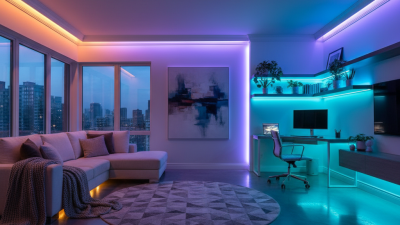
Automation in lighting design allows for tailored experiences. Homeowners can program their lighting to align with their routines, improving productivity and well-being. However, there are instances where the technology can be overly complex. Some users report frustration with setup and compatibility. Balancing usability and advanced features remains a focus for designers aiming to cater to diverse needs in smart lighting solutions.
2026 Top Trends in Lighting Fixture Design and Innovation
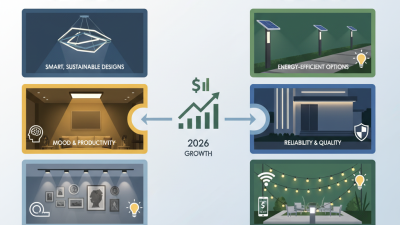
The bar chart below illustrates the projected growth of key trends in lighting fixture design and innovation, particularly focusing on smart lighting technologies, connectivity, and automation.
Biophilic Design in Lighting: Enhancing Natural Elements and Well-being
Biophilic design in lighting harnesses natural elements.
It promotes well-being and connection with nature. This approach incorporates natural light,
organic materials, and green decor. Imagine spaces filled with soft, warm light that mimics sunrise. Such lighting can create a
peaceful atmosphere.
Tips for integrating biophilic lighting:
- Use fixtures that evoke nature.
- Select designs that resemble tree branches or water patterns.
- Choose warm color temperatures to mimic natural sunlight.
- Incorporating plants near light sources enhances the association with the outdoors.
Natural light can significantly boost mood and productivity.
Consider your space's layout. Align light fixtures with large windows to maximize daylight. If artificial light is needed, use
smart controls. These can mimic natural light changes throughout the day.
Experimentation is important.
See what combinations resonate best in your space. It’s a journey of discovery, with room for improvement along the way.
Innovative Aesthetics: The Fusion of Art and Functionality in Lighting
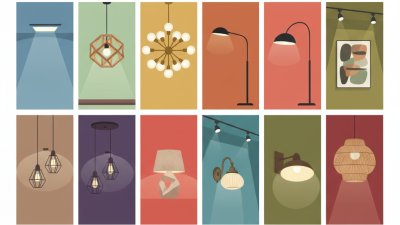
In recent years, lighting fixtures have transcended their basic function. Instead, they now serve as stunning art pieces that captivate and inspire. Designers merge aesthetics with practicality, creating lighting that feels like an extension of the environment. This fusion elevates the ambiance of any space, transforming ordinary settings into extraordinary experiences.
The innovative use of materials and shapes plays a crucial role in this evolution. Natural elements, like wood and stone, combine with modern technologies. These choices reflect a greater awareness of sustainability and emotional resonance. Lighting fixtures must not only illuminate but also tell a story. Often, the challenge lies in balancing artistic vision with user needs. Striking that balance can lead to striking designs that sometimes fall short in practicality.
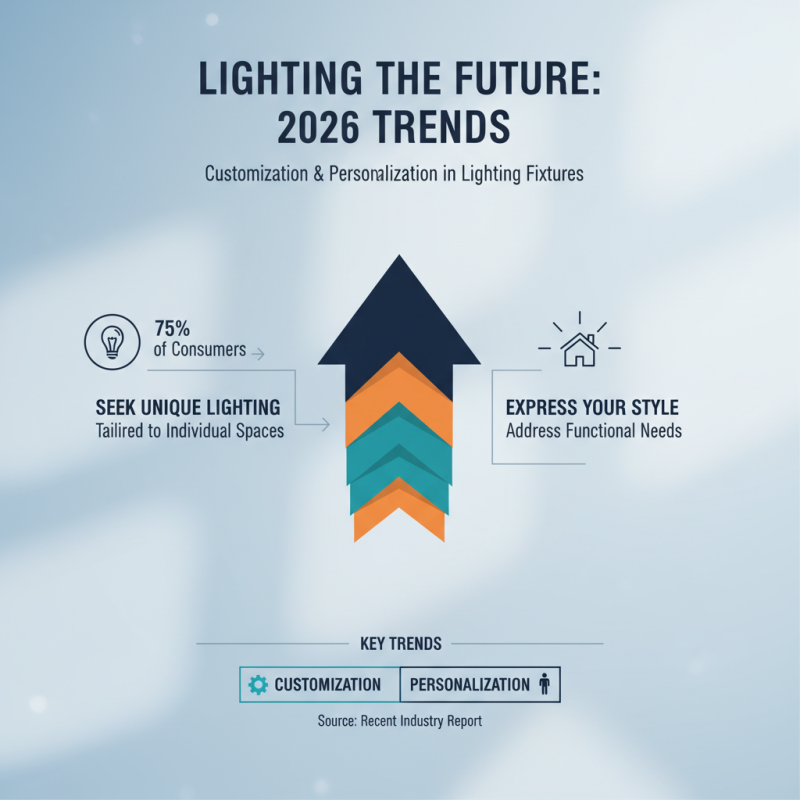
Furthermore, users are becoming more active in the design process. They seek personalization over mass production. In this age of individuality, one size does not fit all. Designers must adapt to these desires while maintaining their creative integrity. This dynamic can lead to beautiful but impractical solutions. Reflection on these choices is essential, as beauty should enhance, not complicate daily life.



 Email
Email Whatsapp
 WeChat