How to Choose the Best Tri-Proof Lights for Your Needs?
Tri-Proof Lights have become essential in various industries due to their durability and versatility. These lights are designed to withstand harsh conditions, making them ideal for places like warehouses, factories, and outdoor areas. According to a recent industry report, the global market for Tri-Proof Lights is expected to grow by over 10% annually. This demand highlights their importance in efficient lighting solutions.
Selecting the right Tri-Proof Lights can be challenging. With so many options available, understanding your specific needs is crucial. Factors such as brightness, energy consumption, and installation types play a significant role. The wrong choice could lead to increased costs or inadequate lighting. It is essential to consider these elements carefully.
While there is a wealth of information available, misunderstandings can occur. Many may underestimate the significance of quality over price. Investing in cheaper models may save money initially but can lead to frequent replacements. Time wasted on repairs and replacements can be frustrating. Thus, focusing on reliable brands and specifications is vital for long-term advantages.
Understanding Tri-Proof Lights and Their Applications
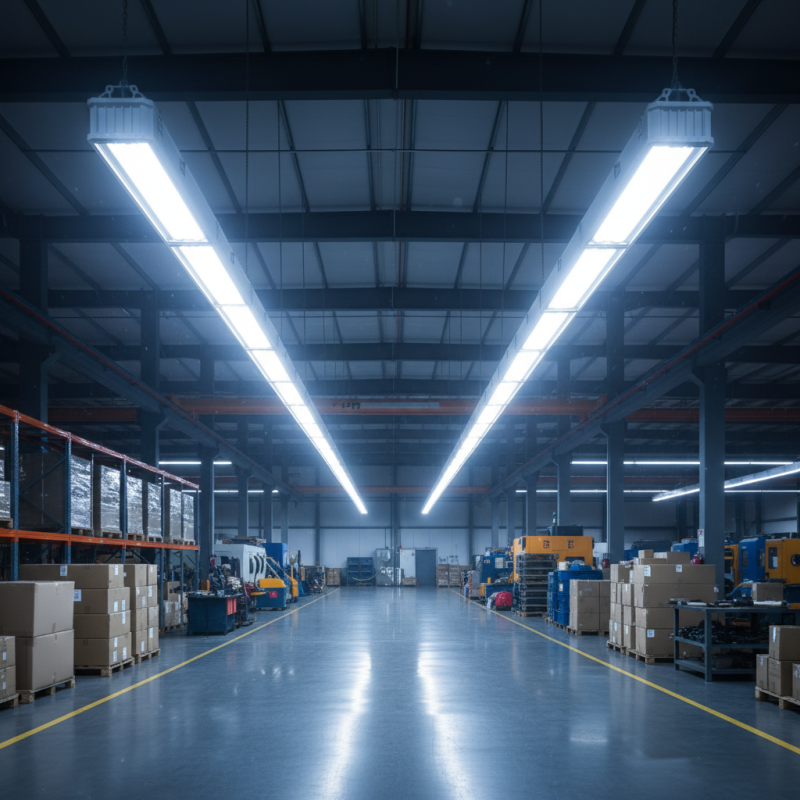
Tri-proof lights are designed for tough environments. They are resistant to water, dust, and impact. This makes them ideal for places like factories, warehouses, and outdoor areas. When selecting tri-proof lights, it’s important to consider your specific needs. The brightness level matters. You may want high lumens for big spaces.
Different applications require different features. For instance, in food processing areas, hygiene is key. Choosing lights with smooth surfaces is essential. In contrast, a construction site may prioritize shock resistance. Pay attention to the IP rating, which indicates water and dust resistance. A higher rating means better protection.
However, not all tri-proof lights are the same. Some may not perform as expected. It’s a good idea to read reviews and check specifications carefully. Users have reported issues with overheating or poor installation instructions. Reflect on your choices before making a purchase. Proper evaluation can lead to better satisfaction in the long run.
Key Features to Consider When Choosing Tri-Proof Lights
Choosing the right tri-proof lights requires careful consideration. One key feature is the light's durability. Tri-proof lights must withstand harsh conditions. Look for those with robust materials that resist impact and corrosion. A light rated for IP65 or higher is essential. This ensures protection against dust and water.
Another important factor is brightness. Evaluate the lumen output of the lights. Higher lumens mean brighter light, which is vital in work areas. Consider where the lights will be installed. Some areas may need dimmer settings, while others require bright illumination. You might find your initial choice too bright or too dim. Adjusting it later could be a hassle.
Energy efficiency plays a significant role too. LED options are often the best. They save energy and have a longer lifespan. However, cheaper options may lead to higher energy bills. It’s tempting to go for lower costs, but think long-term. Sometimes, it’s wiser to invest more up front for lower maintenance later on.
Comparing Different Types of Tri-Proof Lights
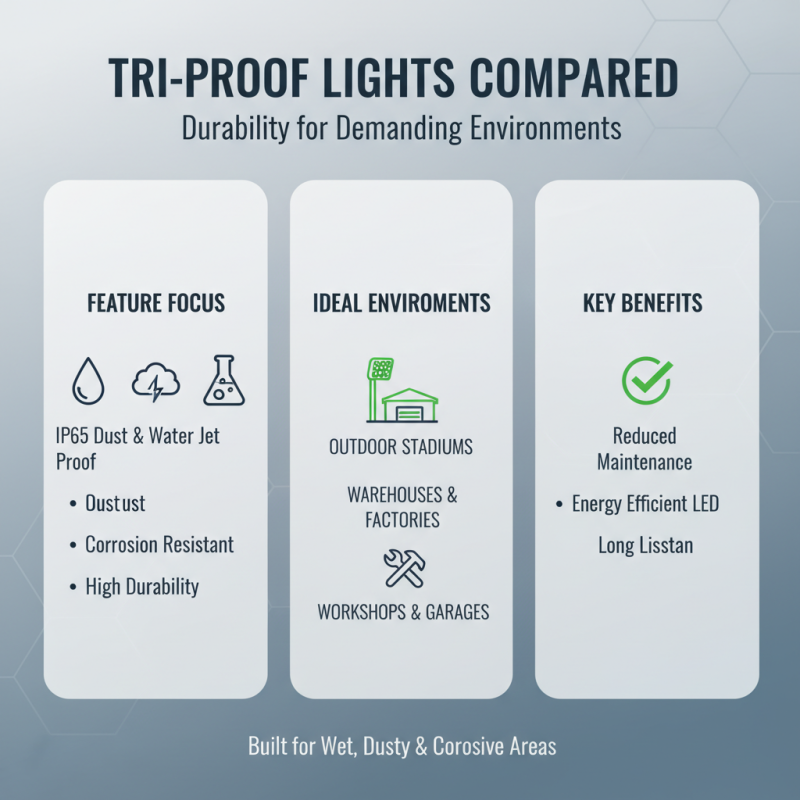
When comparing different types of tri-proof lights, it’s essential to consider specific features. Tri-proof lights excel in wet, dusty, or corrosive environments. They are durable and often rated for high IP classifications. An IP65 rating means they are dust-tight and can withstand water jets. This makes them ideal for outdoor spaces such as stadiums, warehouses, or workshops.
Choosing the right type involves understanding brightness and efficiency. For instance, LED models are more energy-efficient than traditional lamps. Reports show that LED lights can save up to 80% in energy costs. However, initial investments can be higher. So, finding a balance between cost and long-term savings is crucial.
**Tips:** Look for lights with adjustable brightness. This feature can help reduce energy consumption during non-peak hours. Also, consider installation ease. Some models require more complex setups than others. Reading user reviews can provide insight into real-world performance. Not all lights perform as expected, so take time to research.
Assessing the Environmental Conditions for Tri-Proof Light Usage
When choosing tri-proof lights, assessing the environmental conditions is crucial. These lights are designed for tough environments, but not all settings are the same. Consider humidity levels; damp areas require lights that can withstand moisture. Think about dust exposure. Places with high dust accumulation need fixtures with good sealing capabilities.
Temperature is another key factor. Extreme cold or heat can affect performance. For example, lights in freezers need specific features that standard models don’t offer. You might overlook installation height as well. High ceilings may require more powerful lights. The angle of installation affects light distribution too.
Reflect on your specific needs. Are you lighting a factory, a warehouse, or an outdoor space? Each scenario requires different specifications. Don’t be swayed by pricing alone. Sometimes, cheaper options may not withstand harsh conditions, leading to more repairs and replacements. It’s essential to match the light type with your environment to avoid future issues.
How to Choose the Best Tri-Proof Lights for Your Needs?
| Environmental Conditions |
Recommended Tri-Proof Light Features |
Typical Applications |
IP Rating |
| Wet and Humid Areas |
Waterproof, High Lumen Output |
Bathrooms, Kitchens, Outdoor Areas |
IP65 |
| Dusty Environments |
Dustproof, Robust Design |
Warehouses, Factories, Construction Sites |
IP67 |
| Corrosive Conditions |
Corrosion-Resistant Housing |
Chemical Plants, Marine Environments |
IP68 |
| Low Temperature Areas |
Cold-Proof Design, High Efficiency |
Refrigeration, Freezers |
IP66 |
Budgeting for Your Tri-Proof Lighting Needs and Options
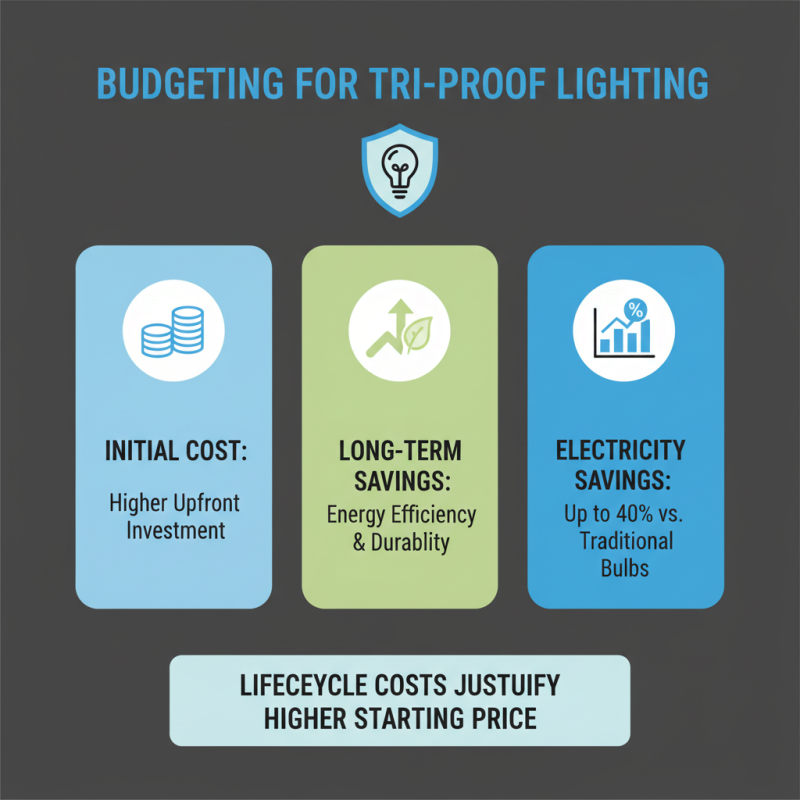
When budgeting for tri-proof lights, several factors require consideration. The initial investment for these durable lighting options can be higher than standard fixtures. However, their long lifespan and energy efficiency can lead to long-term savings. According to industry reports, tri-proof lights can save up to 40% on electricity compared to traditional bulbs. An analysis of lifecycle costs might reveal the necessity of slightly higher upfront costs for significant gains down the line.
Assessing installation costs is also crucial. Proper installation may require skilled labor, which adds to the budget. DIY installations can reduce costs, but they often come with risks. Many users encounter issues such as inadequate sealing. This can lead to water or dust damage over time. Moreover, it’s essential to compare available options thoroughly. Different vendors offer varying prices and features. Not all tri-proof lights are created equal. Some may not perform well under extreme conditions, leading to additional expenses for replacements or repairs.
Identifying specific needs is key when considering your budget. Will these lights be used in a wet area or a dusty environment? Inadequate assessments can lead to overspending on unnecessary features. Tailoring choices to actual requirements ensures you don’t pay for what you don’t need. Balance efficiency with safety; while lower prices are tempting, quality should not be compromised. Prioritize features that align with your environment and usage patterns.



 Email
Email Whatsapp
 WeChat