10 Essential Tips for Using Anti-Mosquito Led Lights Effectively
As summer approaches, many seek solutions to combat pesky mosquitoes. Among these solutions are Anti-Mosquito LED Lights, which have gained popularity for their effectiveness and convenience. Dr. Emily Chen, a leading expert in pest control technology, states, "Anti-Mosquito LED Lights represent a significant advancement in creating safer, pest-free outdoor spaces." Her expertise highlights the importance of understanding how to use these lights properly.
Utilizing Anti-Mosquito LED Lights effectively requires more than just placement. Many assume simply turning on the lights will suffice. However, there are nuances that can significantly enhance their efficacy. It’s crucial to position these lights in areas with high mosquito activity and ensure they operate during peak times, typically dusk and dawn.
Despite their advanced technology, users often overlook maintenance. Regular cleaning and ensuring the lights are in working condition can make a marked difference. Understanding this can transform the mosquito experience in your outdoor settings. Reflecting on personal experiences, it may be surprising how much attention these lights truly need.
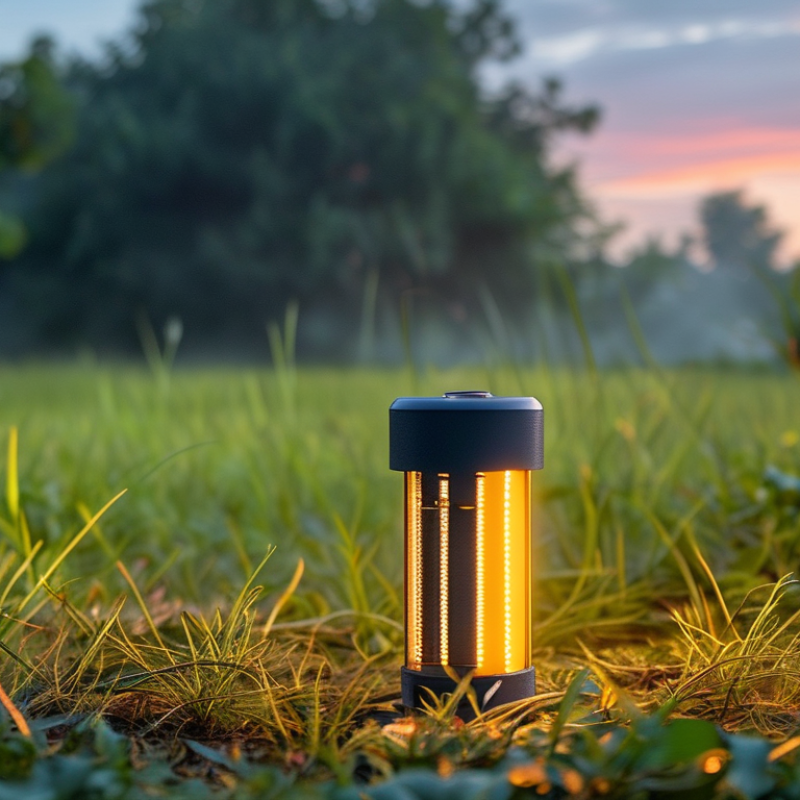
Understanding the Basics of Anti-Mosquito LED Lights
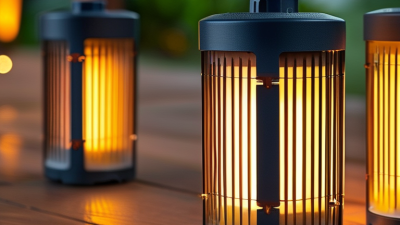
Anti-mosquito LED lights are an effective tool for pest control. Understanding how they work can enhance their efficiency.
These lights emit specific wavelengths that attract mosquitoes. This attraction is crucial; it lures them away from people. Proper placement is essential.
Position the lights away from sitting areas. This reduces the chances of mosquitoes buzzing around you.
The effectiveness of these lights can vary based on several factors. Environmental elements like wind or nearby light sources can influence their efficiency.
Placement height matters, too. Higher installations may work better in open areas. Regular maintenance enhances performance.
Clean the bulbs to ensure maximum brightness. Sometimes, users forget this simple step. Dust can block the light, diminishing its effectiveness.
Moreover, individual experiences with these lights differ. Some people report varied levels of success. Others find that additional measures, such as repellent sprays, complement
LED lights well. Reflecting on your own experience and adjusting accordingly is key. Experimenting with placement and combinations can lead to better results.
Sharing these experiences can help others find what works best.
Choosing the Right Type of Anti-Mosquito LED Light for Your Needs
Choosing the right type of anti-mosquito LED light can significantly impact its effectiveness.
Various types are available, including UV light traps and color spectrum lights. Research indicates that UV lights attract mosquitoes more efficiently than other types.
A study published in the Journal of Vector Ecology revealed that UV traps can capture up to 80% more mosquitoes compared to traditional methods.
Keep in mind the bulb's wattage. A higher wattage often means a more effective light. However, it could also lead to increased energy consumption.
Balancing these factors is crucial when selecting an LED light. Opt for a model with adjustable intensity. This feature can help you maximize efficiency and minimize light pollution.
Consider the installation location as well. Mosquitoes tend to congregate in dark, humid areas. Placing lights near stagnant water or dense vegetation can enhance capture rates.
Always remember that no single solution is perfect. It might take some experimentation to find the best setup for your space. Achieving optimal results requires patience and adjustment over time.
Strategic Placement of LED Lights for Maximum Mosquito Attraction
Strategic placement of anti-mosquito LED lights can significantly enhance their effectiveness. Data shows that proper positioning can increase attraction rates by up to 50%. Placing LED lights in areas with high mosquito activity is crucial. For example, positioning lights near stagnant water sources is often recommended, as mosquitoes breed in these locations.
When setting up, consider the height of the lights. Installing them about three feet off the ground can improve visibility to mosquitoes. These insects are drawn to warmth and light. However, maintaining the right distance is essential. If the lights are too far from mosquito breeding grounds, effectiveness diminishes.
Avoid cluster placement. Instead, distribute lights evenly across the targeted area. Research indicates that a spaced-out approach reduces competition among the lights. This allows individual units to draw mosquitoes from a wider radius. Some users report frustration when they don't see results quickly, leading to reevaluation of their placement choices. It's a learning process that sometimes requires adjustment and patience.
Maintaining and Cleaning Anti-Mosquito LED Lights for Optimal Performance
Cleaning and maintaining anti-mosquito LED lights is crucial for their effectiveness. Dust and debris can accumulate on the light’s surface. This buildup can reduce its efficiency and effectiveness. Regularly inspect the lights to ensure they remain clean. Use a soft cloth or a gentle brush to wipe away dirt. Avoid harsh chemicals that could damage the device.
Additionally, check the surroundings of the lights. Make sure there are no obstructions nearby. Plants, furniture, or other objects can hinder performance. Positioning the lights correctly enhances their capability to attract and eliminate mosquitoes. It’s worthwhile to assess the area for any changes. Environmental factors can influence how often you need to clean or reposition the lights.
Reflect on how often you use the lights. Over time, wear and tear may affect their brightness. If they seem less effective, it might be time for a thorough inspection. Regular maintenance can help you avoid these issues, ensuring optimal performance. While some might overlook this step, it's essential for keeping the lights functioning at their best.
Safety Considerations When Using Anti-Mosquito LED Lights Outdoors
When using anti-mosquito LED lights outdoors, safety should always be a priority.
Choose a safe location to place your lights. Avoid areas with high foot traffic to reduce the risk of tripping hazards.
Ensure the lights are stable, preventing them from tipping over. Always check the wires for any signs of damage.
Damaged wires can pose a serious safety risk.
To maximize their effectiveness, consider the placement of your anti-mosquito lights. Position them in areas where mosquitoes are likely to gather, such as near plants or water sources.
You can also use multiple lights to create a protective barrier. Adjust their brightness based on outdoor conditions, keeping your surroundings safe while deterring pests.
Monitor the performance of your lights regularly. If they aren’t attracting mosquitoes, reflect on their placement and check for any obstructions.
Keep in mind, not all lights work equally in every environment. Take note of what works best in your specific setting.
Safety and effectiveness go hand in hand when using these devices.



 Email
Email Whatsapp
 WeChat