2026 How to Choose the Best Tri-Proof Lights for Your Needs?
In recent years, the demand for Tri-Proof Lights has surged, reflecting an increased focus on safety and efficiency in various industries. According to a market research report by Allied Market Research, the global tri-proof light market is expected to reach $1.2 billion by 2025, driven by infrastructure development and the rising need for energy-efficient lighting solutions. Tri-Proof Lights are designed to withstand harsh environments, making them ideal for areas exposed to moisture, dust, and extreme temperatures.
Selecting the right Tri-Proof Lights can be challenging. Factors such as lumen output, energy consumption, and installation requirements must be considered. Industry standards emphasize durability and performance. Reports indicate that users often overlook these elements, leading to suboptimal lighting choices. Investing time in understanding these attributes can prevent costly mistakes. Poor lighting not only affects visibility but can also lead to increased maintenance costs and safety hazards.
Understanding your specific lighting needs is crucial. While the market offers many options, each application demands tailored solutions. Reflecting on past experiences can help in making informed decisions. As companies strive for improved productivity and safety, the correct choice of Tri-Proof Lights becomes more significant than ever.
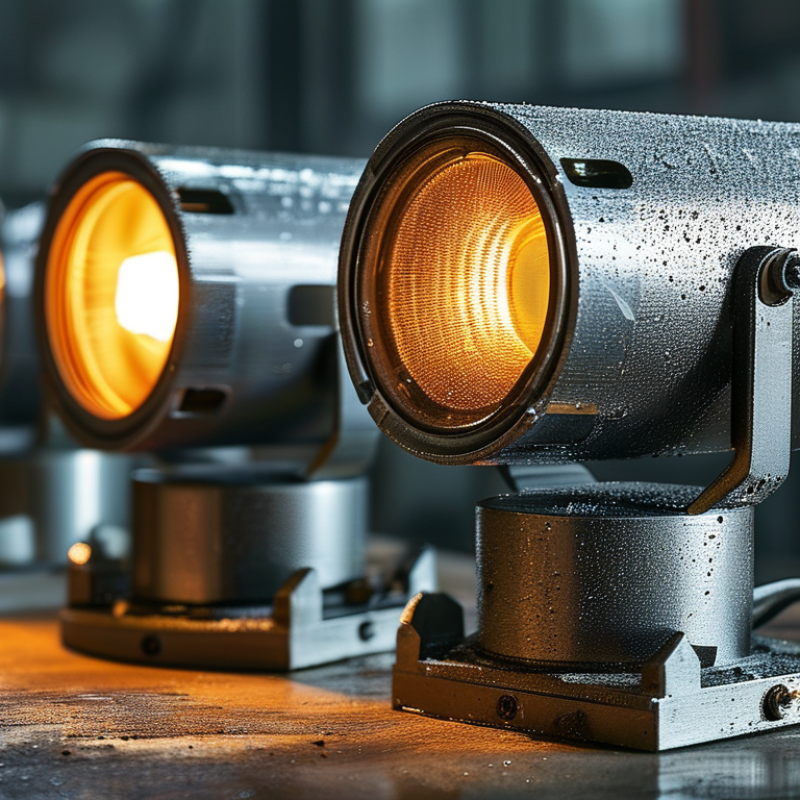
Understanding Tri-Proof Lights and Their Applications
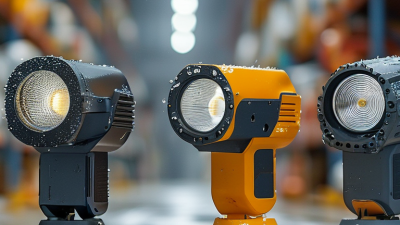
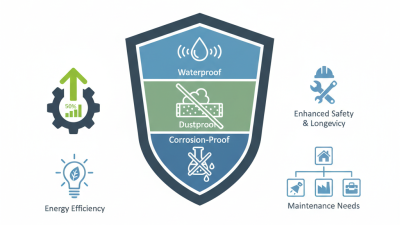
Tri-proof lights are versatile lighting solutions designed for harsh environments. They are resistant to water, dust, and impact, making them ideal for various applications. According to industry reports, the demand for tri-proof lights has grown by 15% annually in recent years. This growth is driven by their use in warehouses, factories, and outdoor settings.
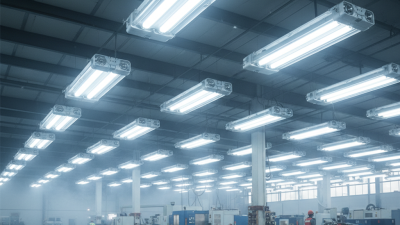
In industrial settings, tri-proof lights can significantly enhance visibility and safety. Their ability to perform under extreme conditions is crucial. Some reports indicate that proper lighting can improve worker productivity by up to 20%. Moreover, the energy efficiency of tri-proof lights often leads to reduced electricity costs. They typically use LED technology, consuming 40% less energy than traditional lighting options.
While tri-proof lights offer many advantages, selecting the right one requires careful consideration. Factors such as lumen output, beam angle, and installation type must align with specific needs. Some users have faced challenges with inadequate brightness or unsuitable beam angles, which can lead to insufficient illumination. A precise understanding of these elements will ensure that you choose an effective lighting solution that meets your requirements.
Key Features to Consider When Choosing Tri-Proof Lights
When selecting tri-proof lights, several key features play a vital role in meeting specific needs. First, consider the ingress protection (IP) rating. A minimum of IP65 ensures resistance to dust and water. High-quality fixtures typically offer ratings of IP66 or even IP67, ideal for outdoor and industrial applications. A recent industry report indicated that facilities using IP67-rated lights reduced maintenance costs by nearly 30%. This translates to significant savings over time.
Another important aspect is the lumen output. More lumens mean brighter light. For instance, a light emitting 4000 lumens is suitable for large areas, while 1000 lumens works well in smaller spaces. Choose lights with a high color rendering index (CRI) too. A CRI of 80 or above ensures that colors appear natural, which is essential in environments where visual accuracy matters. Notably, 70% of users reported improved visibility and safety when switching to lights with higher CRI.
Lastly, energy efficiency cannot be overlooked. LED tri-proof lights with a rating of at least 100 lumens per watt are ideal. This ensures long-lasting performance and lower energy bills. Some users, however, have experienced performance variations based on installation conditions. Reflecting on the importance of proper installation may yield better outcomes. While advanced features are beneficial, basic functionality should never be compromised, serving as a reminder to balance innovation with reliability.
Comparative Analysis of Tri-Proof Light Features
Comparing Different Types of Tri-Proof Lights: Pros and Cons
When it comes to tri-proof lights, understanding their types is crucial. These lights are designed to withstand harsh conditions. However, each type has its own pros and cons that may impact your decision. For instance, some models are energy-efficient and durable, making them suitable for industrial settings. Others may boast superior brightness but are less robust against moisture.
LED tri-proof lights are popular for their longevity and low power consumption. They can last for years without frequent replacements. However, their initial cost may be higher, which can deter some buyers. Fluorescent options provide a bright output but usually have a shorter lifespan. Additionally, they may not perform well in extreme temperatures.
Reflecting on your specific needs can guide your choice. Consider the environment where the lights will be installed. Will they be exposed to water or dust? Look into the specific features that matter most to you. Gathering reliable information about these lights can enhance your purchasing experience.
How to Determine the Right Brightness and Wattage for Your Needs
When selecting tri-proof lights, determining the appropriate brightness and wattage is crucial. Brightness is typically measured in lumens. Research indicates that for most applications, a range of 300 to 1,500 lumens is common. Environments like warehouses may require higher lumens, up to 3,000. Yet, exceeding this can lead to glare and eye strain. Balancing brightness with comfort is essential.
Wattage translates to energy consumption. A study shows that energy-efficient LED lights use up to 80% less wattage than traditional options. For instance, a 20-watt LED can produce the same brightness as a 100-watt incandescent bulb. Users need to assess their energy needs and choose products that minimize waste.
While focusing on lumens and wattage, consider the specific tasks in the space. Different activities may require varied lighting levels. For task-oriented areas, aim for higher brightness. Yet, in general or ambient areas, softer lighting may be preferable. Finding that balance is often a trial-and-error process, requiring reflection on usage and comfort.
2026 How to Choose the Best Tri-Proof Lights for Your Needs? - How to Determine the Right Brightness and Wattage for Your Needs
| Environment Type |
Recommended Brightness (Lumens) |
Wattage |
IP Rating |
Typical Applications |
| Commercial Area |
4000-6000 |
40-60 |
IP65 |
Warehouses, Supermarkets |
| Industrial Facility |
5000-8000 |
50-80 |
IP66 |
Manufacturing Plants, Assembly Lines |
| Outdoor Spaces |
3000-5000 |
30-50 |
IP67 |
Parks, Parking Lots |
| Food Processing |
6000-9000 |
60-100 |
IP69 |
Processing Plants, Cold Storage |
| Hospitality |
3000-4000 |
30-40 |
IP65 |
Hotels, Restaurants |
Installation and Maintenance Tips for Tri-Proof Lights
Installing tri-proof lights can seem daunting, but with some preparation, it becomes manageable. Start by examining the installation site. Ensure it is clean and dry. Look for any existing fixtures that need removal. Using the right tools is crucial. A drill and appropriate screws will help secure the lights in place. Always follow the manufacturer's guidelines for the specific model you're using. It usually takes careful attention to detail to avoid common pitfalls during installation.
Maintenance is equally important to ensure longevity. Regularly inspect the lights for dust accumulation. Cleaning them with a soft cloth can enhance their brightness. Pay attention to any unusual flickering or dimness as this may indicate an issue. Replace components as recommended to prevent larger problems later. While it’s easy to overlook regular checks, small efforts can yield significant benefits. Reflect on whether maintenance routines might be neglected—it's worth revisiting them. Each step you take improves functionality and safety.



 Email
Email Whatsapp
 WeChat