2026 Best Decoration Lights Ideas to Illuminate Your Space?
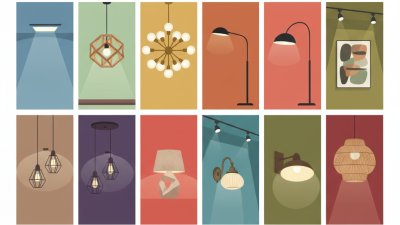
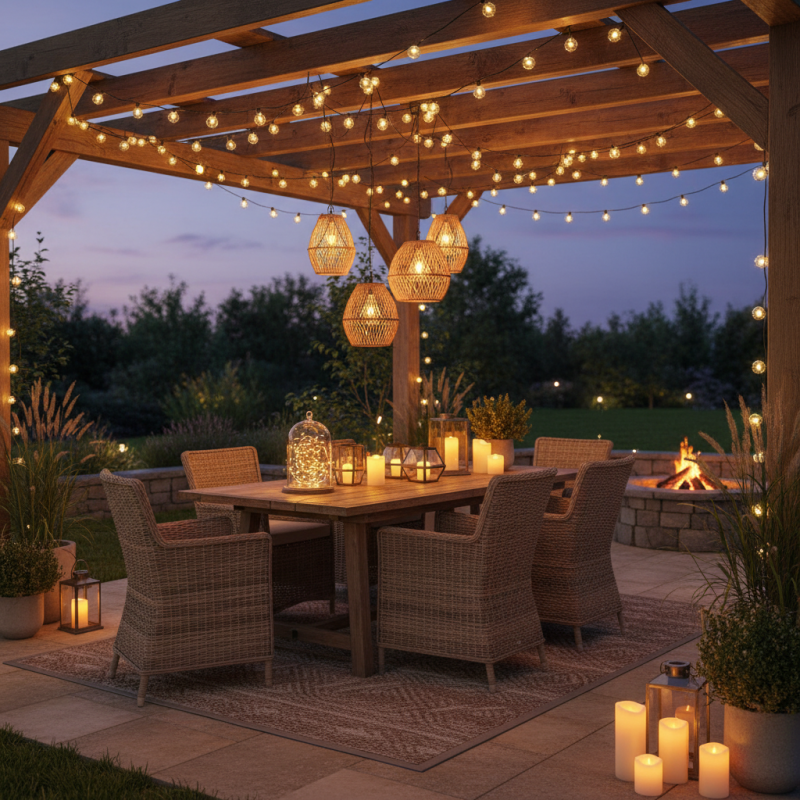
In the quest for creating a cozy and inviting atmosphere, Decoration Lights play a pivotal role. They can transform ordinary spaces into magical realms. Consider the warmth a string of lights brings to a patio on a cool evening. These lights are not just about illumination; they evoke feelings and enhance aesthetics.
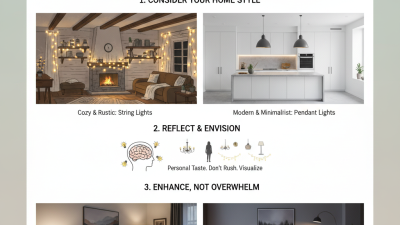
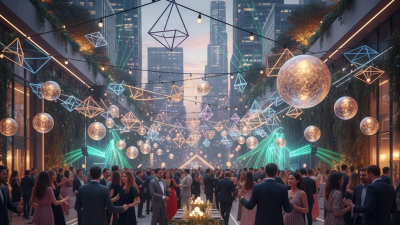
As we approach 2026, innovative ideas emerge for using Decoration Lights that cater to different styles and preferences. From outdoor gatherings to intimate indoor settings, these lights can elevate any environment. However, it's crucial to choose designs that reflect personal taste. Not every option suits every space, and over-decorating can lead to clutter.
Explore various themes and placement strategies to find what resonates. The right choice makes a space feel alive. Yet, it's important to remember that simplicity often trumps complexity. In a world full of flashy options, sometimes less truly is more. Consider your decor choices wisely, and enjoy the journey of lighting your space.
2026 Trends in Decorative Lighting: Key Innovations to Brighten Spaces
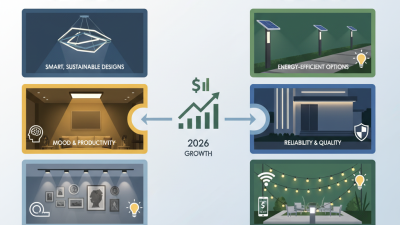
As we approach 2026, innovations in decorative lighting are transforming how we illuminate our spaces. One major trend is the rise of smart lighting technology. According to a recent industry report, the smart lighting market is expected to reach $78 billion by 2026. This growth showcases a shift toward energy-efficient solutions that offer convenience and customization. Homeowners can now control lighting systems via mobile apps, allowing for personalized ambiance at the touch of a button.
Another key innovation involves the integration of sustainable materials in lighting design. Designers are increasingly focusing on eco-friendly options. For instance, LED lights consume 75% less energy than traditional bulbs and last up to 25 times longer. This sustainable approach not only reduces energy bills but also minimizes environmental impact. Homeowners are encouraged to choose energy-efficient products for both beauty and sustainability.
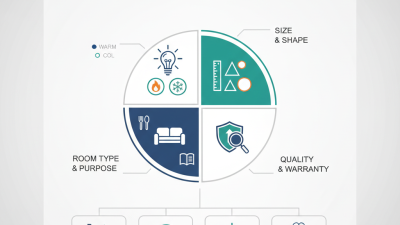
Tip: When selecting lighting, consider the color temperature. Warm white often creates a cozy atmosphere, while cool white enhances focus and productivity.
However, not all lighting solutions fit seamlessly into every space. Some designs can clash with existing decor styles. It's important to evaluate the overall aesthetic before making new purchases. Finding the right balance can take time and experimentation. Always consider how different lights interact with wall colors and furniture to avoid an overwhelming effect.
Impact of LED Technology on Decorative Lighting: Energy Efficiency Insights
The rise of LED technology has transformed decorative lighting. LEDs consume up to 75% less energy than traditional incandescent bulbs. This drastic reduction in power usage can significantly lower energy bills. According to the U.S. Department of Energy, widespread LED adoption could save more than $30 billion in electricity costs annually.
In terms of longevity, LEDs last about 25,000 hours, while incandescent bulbs last only about 1,200 hours. This means fewer replacements and less waste. The environmental impact is notable as well. By reducing energy consumption, LED lights help decrease greenhouse gas emissions.
However, not all decorative LEDs are created equal. Some might not match the warmth and ambiance of incandescent lights. Additionally, the initial investment can be higher. Not everyone realizes the cost benefits of switching. Consumers may find it challenging to navigate the various options in the market. Education and awareness are critical in making informed choices. Nonetheless, transitioning to LED technology remains a powerful way to illuminate living spaces while being kinder to the planet.
2026 Best Decoration Lights Ideas: Energy Efficiency Insights
Color Psychology in Lighting: Enhancing Mood and Ambiance in Your Home
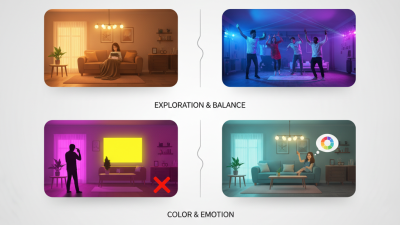
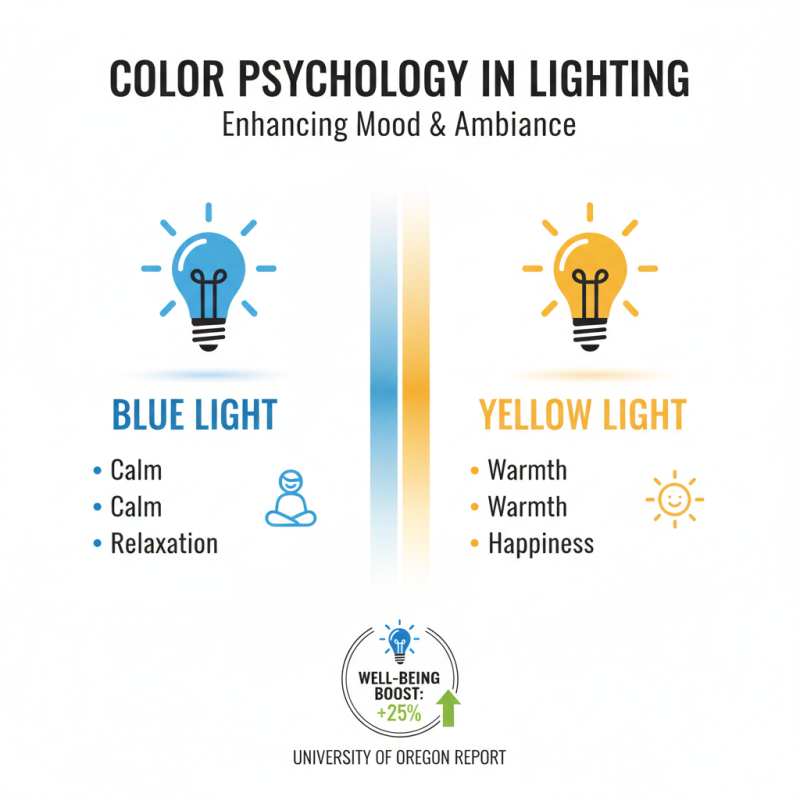
Lighting plays a crucial role in setting the mood at home. Different colors can significantly affect our emotions. For example, blue light has a calming effect and is linked to relaxation. Yellow, on the other hand, exudes warmth and happiness. According to a report by the University of Oregon, well-chosen lighting enhances well-being by 25%.
Tips for choosing colors: Consider the room's purpose. For bedrooms, opt for softer hues like lavender or pale blue. In contrast, bright colors like orange can energize living spaces. Use soft white light during evenings to promote winding down.
Be mindful of your choices. The intensity and color of light can alter the atmosphere. Dim lighting can create intimacy, while bright lights can encourage productivity. In home offices, natural light is ideal for focus. Creating a balance requires thought and experimentation.
Sometimes, a single light fixture can feel overwhelming. Mixing light sources, such as lamps and wall sconces, provides depth. This layering of light offers various moods for different times of day. Keep in mind that your decor can also influence how colors are perceived.
Outdoor Decorative Lighting Ideas: Statistics on Safety and Aesthetics
When considering outdoor decorative lighting,
safety and aesthetics are crucial. Research shows that well-placed lights enhance visibility and reduce accidents.
Bright lighting along pathways and steps helps prevent falls.
Additionally, using fixtures that are weather-resistant can improve safety during storms.
Aesthetically, decorative lights can transform a space.
String lights create a cozy ambiance for outdoor gatherings.
Lanterns provide a soft glow, inviting guests to linger.
However, overdoing it may clutter the space.
Too many lights can detract from the natural beauty of your yard.
Reflect on how your lighting choices align with your outdoor space.
Simple designs often enhance the landscape better than flashy ones.
Additionally, consider energy-efficient options.
Not only do they save on bills, but they also reduce environmental impact. Thoughtful lighting choices can elevate your outdoor area while ensuring it remains safe and welcoming.
Smart Lighting Solutions for Home Decor: Market Growth and Benefits
Smart lighting solutions are transforming home decor by enhancing aesthetics and functionality. With market growth surging, these innovative tools offer more than just light. They create mood, highlight features, and improve energy efficiency, making spaces feel alive and welcoming.
When choosing decorative lighting, consider the function of each area. For example, soft lighting can create a cozy atmosphere in living rooms. In contrast, brighter lights are ideal for kitchens and workspaces. Layering different types of lighting, such as ambient, task, and accent, can add depth and versatility to your home.
Tips: Incorporate dimmable lights to adjust ambiance as needed. Use smart bulbs to change colors instantly, setting the perfect tone. Design lighting around your favorite features, such as artwork or architectural details. Experiment with varied placements; sometimes, the best effect comes from unexpected sources. Reflect on how each choice affects your overall design. Keep a balance between style and practicality.



 Email
Email Whatsapp
 WeChat